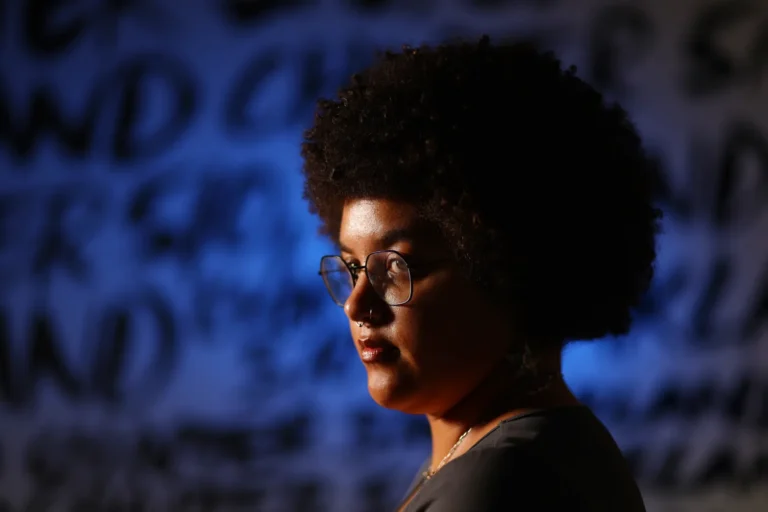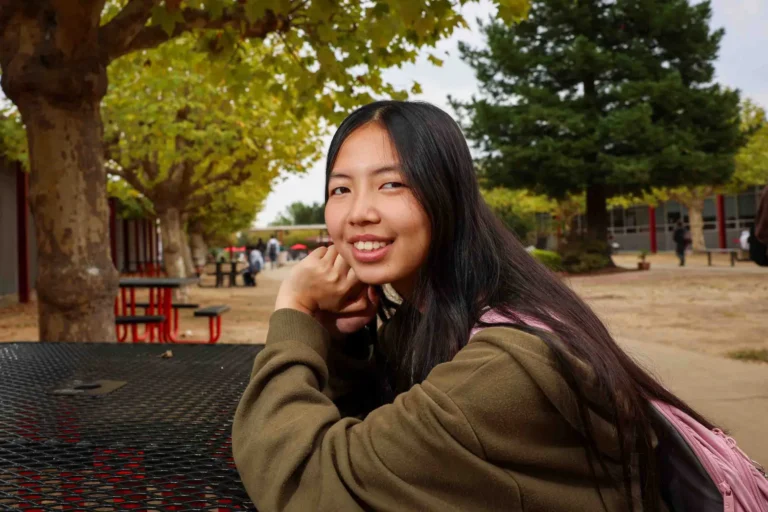

Self-eSTEM Executive Director Adamaka Ajaelo is determined to keep the East Bay nonprofit she founded in 2014 on a path to help girls and women succeed in science, technology, engineering, math and more despite an ever-changing modern economic landscape.
The Oakland-based organization focuses on providing STEM training for girls and women to strengthen their digital, technical and leadership skills.
Self-eSTEM is pursuing its mission at a time when nonprofits must battle challenges on multiple fronts, including their survival. About 12% of new nonprofits fail after five years, and about 30% fail after 10 years, the National Center on Charitable Statistics estimated.
“We have defied the odds,” Ajaelo said. “We are seeing a disinvestment in nonprofits, youth, and education. A lot of nonprofits are seeing an extraction of federal dollars. Companies are pulling back. It has been a challenging few years.”
Government and corporate retrenchments have created difficulties for some communities that often are underserved, she said.
“Companies are pulling back from their DEI programs,” Ajaelo said. “Corporations are pulling back from marginalized communities such as girls and girls of color.”
The spending slowdown has forced Self-eSTEM to trim its programs.
“We have had to scale back our service offerings,” Ajaelo said. “We normally have robotics and engineering in the fall. But we had to pause that program. We are reevaluating what we can offer.”
Even so, Self-eSTEM continues to produce notable success stories.
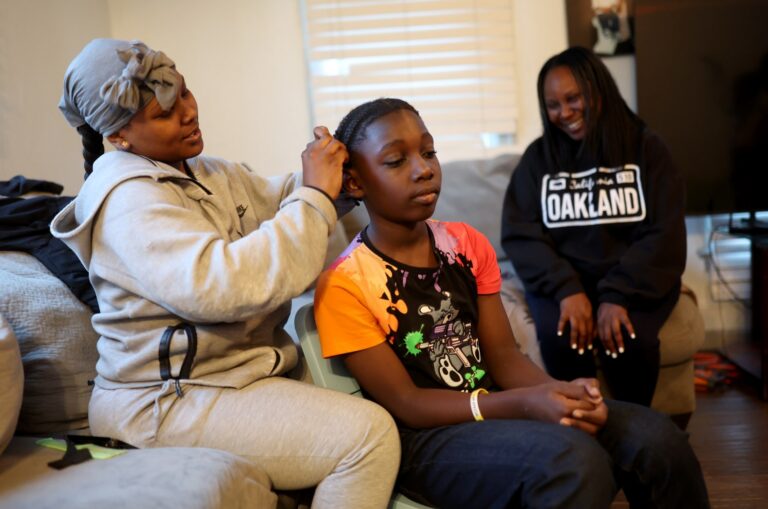
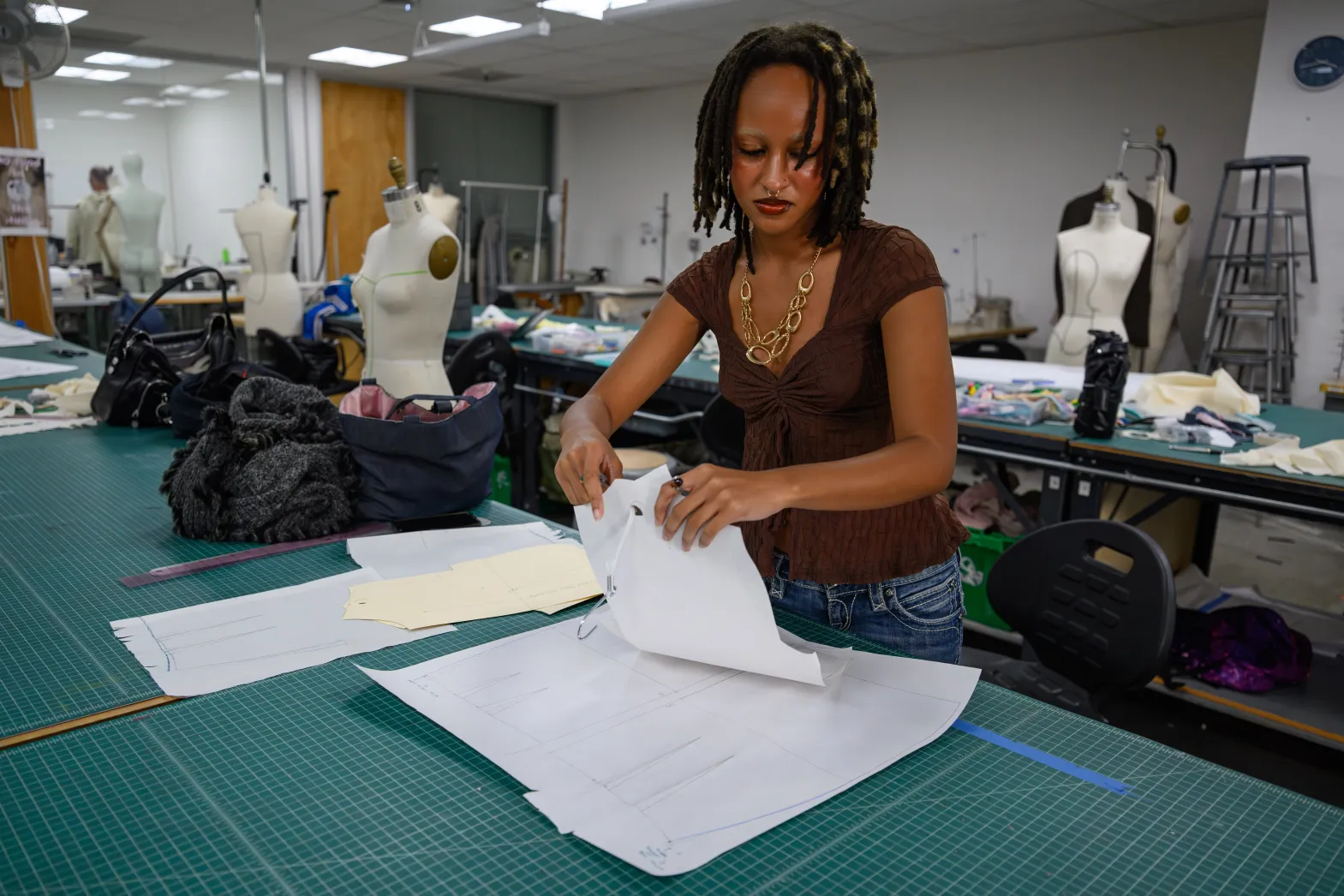
Erikah Washington, 20, was 8 years old when she joined a Self-eSTEM camp during the nonprofit’s first year of existence. Through Self-eSTEM, she gained confidence in tech, science, math and other fields.
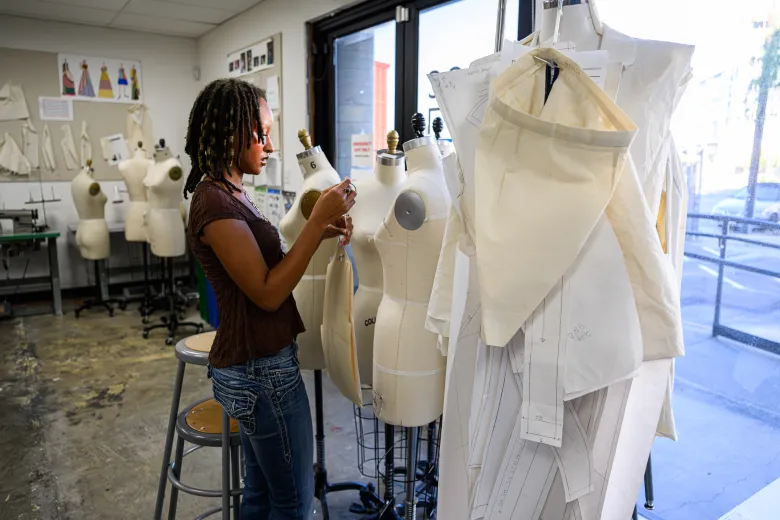
“Self-eSTEM offered something different every year,” Washington recalled. “One year was fashion-based. Another year was engineering. We had a year that was about making robots. One of the years was about coding for computer languages.”
Gaining exposure to so many different slices of the STEM world gave her confidence to pursue a specific career, a journey on which she has embarked in a significant way.
“I’m in fashion design,” Washington said. “People don’t think of art and STEM being connected. But thanks to Self-eSTEM, I was able to freely explore my drive and passion. I was exposed to so many different outlets to STEM. I believe any job is a possibility. The world revolves around STEM. It is in everything.”
Self-eSTEM, like other organizations, is attempting to steer through the upheaval that the artificial intelligence revolution has unleashed.
“We anticipated the AI trend,” said Ajaelo, who left a career in the corporate tech world to start the nonprofit. “But the advancement of AI has turned everything upside down. Things that were predictable are now hard to get your hands around.”
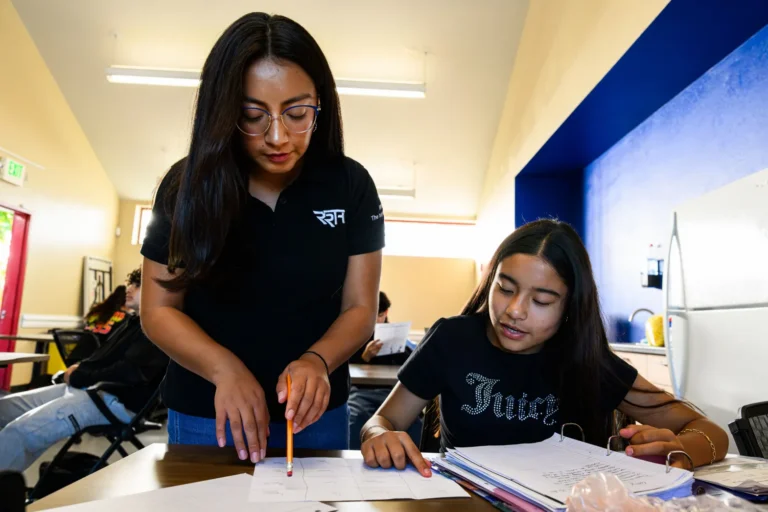
Self-eSTEM is providing girls and women exposure to AI-related skills, according to Ajaelo. The organization calls its program participants innovators.
“We do offer digital and AI literacy,” Ajaelo said. “We are focused on training at the introductory level.”
Today’s AI-fueled tech world poses fresh challenges to the skills that girls and women gain through Self-eSTEM.
“AI has impacted social and economic opportunities,” Ajaelo said.
Ajaelo urges tech companies to place a greater value on the human factor and not prize machine learning and artificial intelligence above all other considerations.
“Tech companies are ignoring the people part of their business, the human part,” Ajaelo said. “Many tech companies are investing in data centers and investing in AI, but they are ignoring human beings. The tech industry must correct this.”
Even amid challenges, past participants such as Washington have returned to the program to teach and inspire the next generation of innovators.
“I returned (in 2025) to help as an assistant facilitator,” Washington said. “I helped kids put robots together. That was really nice, to go back and help out. I plan to return for next year’s camp in 2027.”
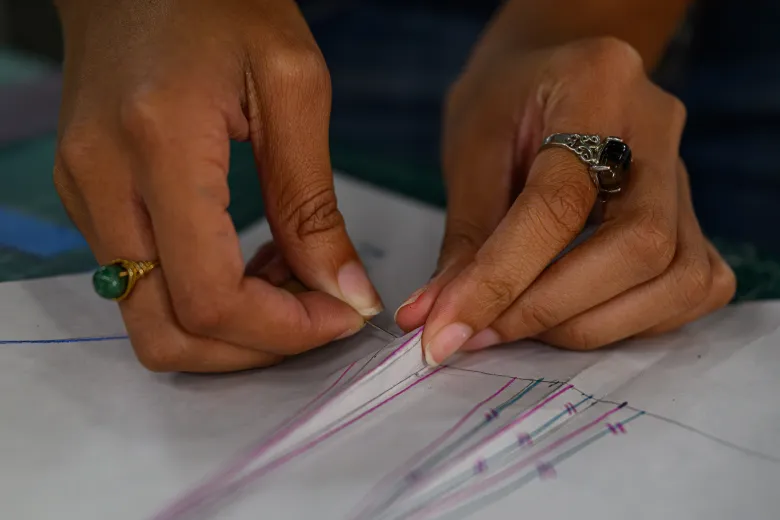
Washington is in her third year at California College of the Arts, although that institution will cease operations as an independent educational hub at the end of the 2026-27 school year. She is transferring to New York City-based Pratt Institute, a fine arts and design school.
In a world influenced by artificial intelligence, Washington believes she can prosper in the fashion industry thanks in great measure to skills she gained at Self-eSTEM.
“Fashion design is one of those things that is such a technical skill,” Washington said. “Even if you use AI for the patterns in some clothes, you still need people who know what they’re doing to oversee that process. The design has to be so precise.”
Despite challenges on multiple fronts, Self-eSTEM continues to launch what the nonprofit’s leaders believe are innovative new programs.
In 2025, Self-eSTEM served 197 innovators. That was on the high end of the organization’s typical pace of serving 175 to 200 innovators a year.
Now, Self-eSTEM has launched a Future of Work program that extends the nonprofit’s reach into schools, community centers and neighborhood spaces across the Bay Area.
“We want the Future of Work program to bring digital and AI literacy, workforce development, and technical skills to the entire community,” Ajaelo said.