
For the farmers at Fertile GroundWorks, a Livermore-based nonprofit, another helping hand is always welcome.
The farm, which provides hundreds of pounds of fresh fruits and vegetables every week to local community kitchens and food pantries, feeds thousands of people across the Tri-Valley every week. Fertile GroundWorks also hosts students from across the region to learn about gardening and growing organic food.
The nonprofit also educates schools and other organizations on small-scale farming, orchardry, soil fertility, composting and water conservation.
“I don’t think we ever have enough volunteers,” Lori Pohlmann, volunteer coordinator and educator for Fertile GroundWorks told Bay Area News Group. “We could always use more help.”
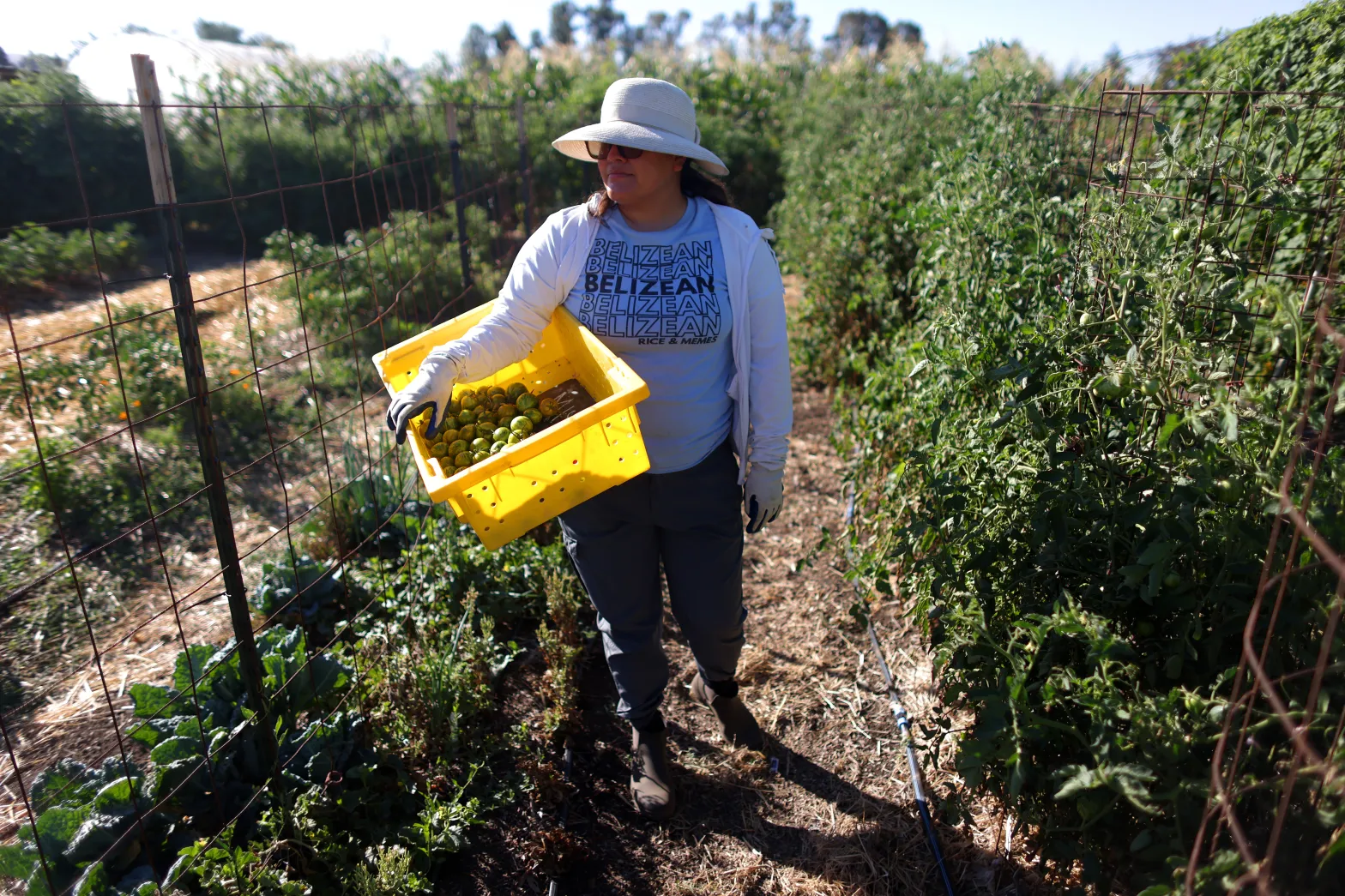
Every week, dozens of volunteers prune, pick and prep the garden beds across a half-acre of garden beds and orchard. Their handiwork produced 42,000 pounds of food last year — or about 35,000 meals — according to farm officials.
“Without volunteers we have nothing,” Pohlmann said. “If those guys didn’t show up every week, we couldn’t make this happen.”
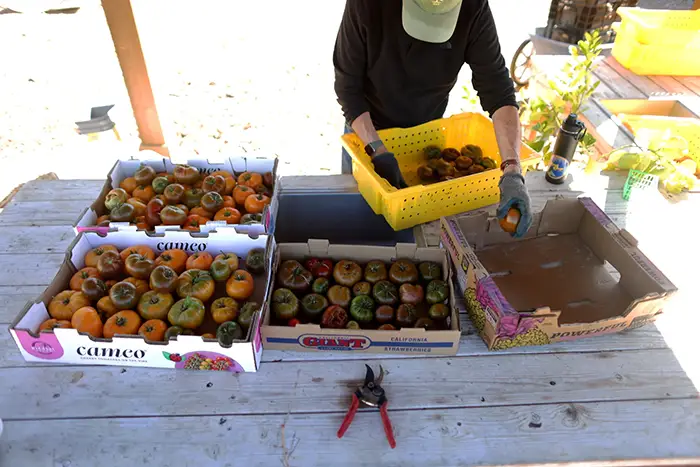
Brenda Kusler, Fertile GroundWorks’ executive director, said that the farm is finishing rotating out the summer’s crops, including tomatoes, melons and peppers. Soon, the farm’s focus will turn to winter fruits and vegetables – cabbages, bok choy, beets, broccoli, carrots and cauliflower.
This year, the farm expanded planting to another quarter-acre of beds, doubling the size of the Fertile GroundWorks’ workable land. The group also added several new beehives at the back of the property and is experimenting with cultivating honey.
On any given day, the farm also hosts local students eager to get their hands dirty outside of a traditional classroom. Many of the visitors to Fertile GroundWorks, adolescent and otherwise, have never worked in a garden before, or have never eaten a farm-fresh vegetable straight from where it was grown.
“It’s not our job to make money; that’s why I write grants. We just want to get good food out to people,” Kusler said.
Federal cuts impacting social welfare programs that fight food insecurity, such as SNAP and CalFresh, are leaving thousands of people in danger of hunger, she said. On top of that, many of the vulnerable residents who depend on Fertile GroundWorks’ food also fear the Trump administration’s immigration crackdowns.
“It’s not quite so bad now, but when ICE was really hot and bothered here in our area, people were afraid to stand in line at our food pantries out here. They were afraid they were going to get snatched,” Kusler said.
She said this year is particularly important for the food pantries and community kitchens that depend on their fruits and vegetables.
“People are hurting this year, and I don’t think it’s going to get better when the next SNAP changes come into play,” Kusler said. “Grants are getting harder and harder, (and) getting more and more competitive because there is no federal money coming down the pipe in the foreseeable future for what we need to do.”
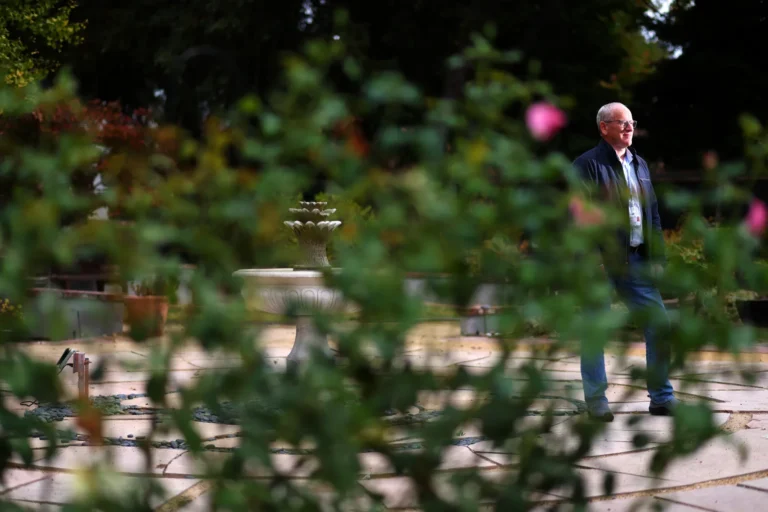
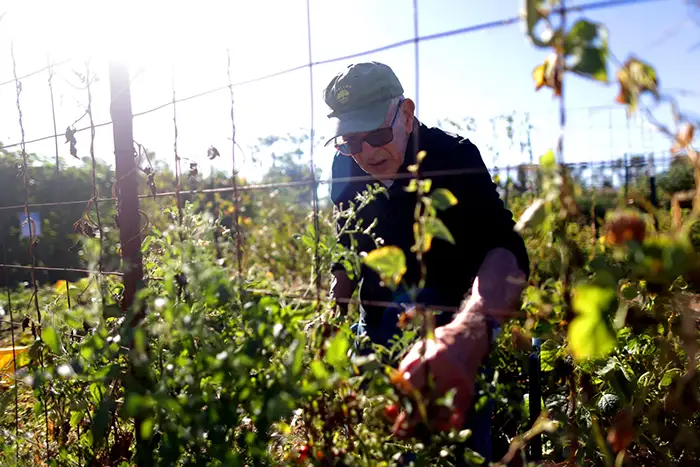
For those people who may find themselves harvesting tomatoes when volunteer Don Milanese isn’t onsite, he offered a piece of sage advice: “Always go for the red tomatoes.”
Milanese, a proud Italian American and Livermore resident, has volunteered at the farm for about 10 years, he said during one of his recent harvesting shifts.
The 85-year-old retired former Las Positas College educator said his favorite crops to harvest are tomatoes and basil. But what continually brings him back to volunteer is knowing he’s feeding hungry people, he said.
“It’s helping folks in the community,” Milanese said. “It’s done naturally. I’m happy to do it.”
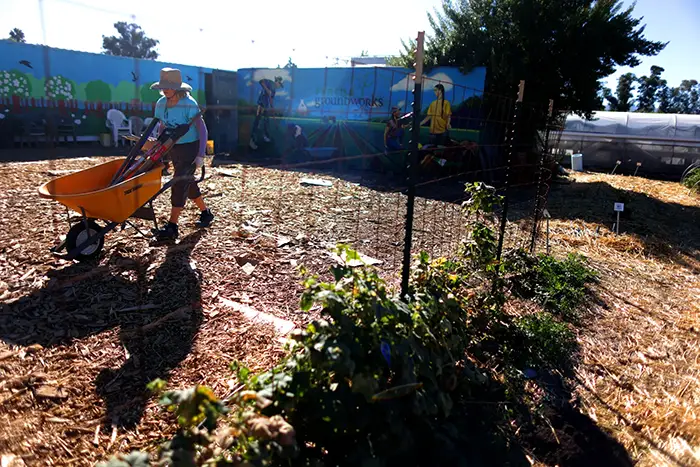
For Susan Morris, there’s a long list of reasons why she continues to volunteer at the farm.
“This place is amazing,” she said.
Morris said she likes the mist that creeps above the earth in the early hours of morning, and the quiet start of a new day. If she’s lucky, she may see a fox slyly sneaking through the farm, or the notoriously greedy ground squirrels in the area causing trouble for her and the other stewards of the land.
One of her morning’s tasks was to harvest bell peppers. But her passion is the native plants she’s helped cultivate on the farm that have started attracting native animals. For example, she and her colleagues celebrated the farm’s first monarch caterpillars that have recently started inhabiting their recently planted native milkweed.
Soon the larvae will encapsulate themselves into chrysalises, later to emerge as monarch butterflies, ready to travel thousands of miles to Mexico for the winter – a welcome victory for Morris, who is part of the farm’s self-proclaimed Native Nannies group, or keepers of local native species.
Some of the other native plants they are cultivating include turkey tangle frogfruit, California fuchsia, California poppies and narrowleaf milkweed.
Although the monarchs will soon leave the farm, Morris will stay, alongside her dedicated fellow volunteers, lovingly tending the land and their surrounding community – hoping more people and larvae will be able to call Livermore home without hunger.
“You get hooked here,” Morris said. “It’s the place, and the feeling of growing food for people that don’t have fresh produce, and working with plants.”