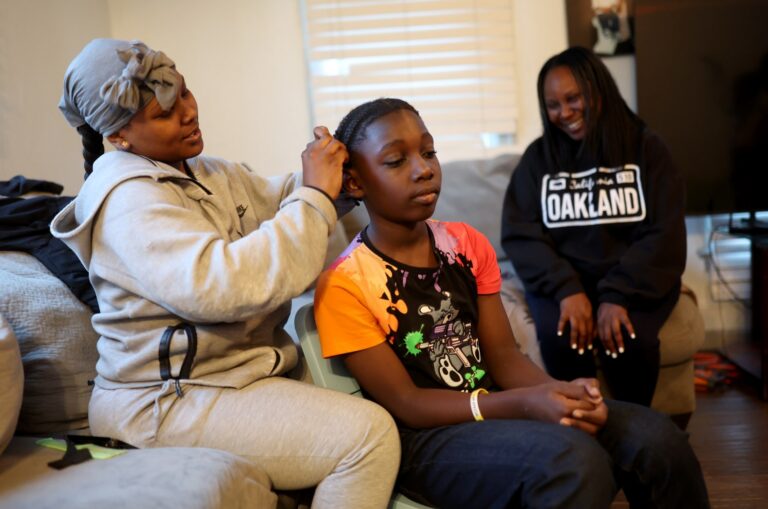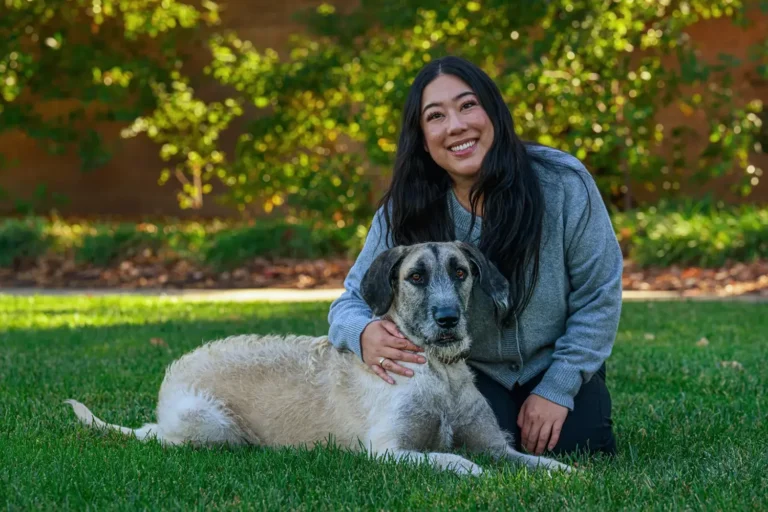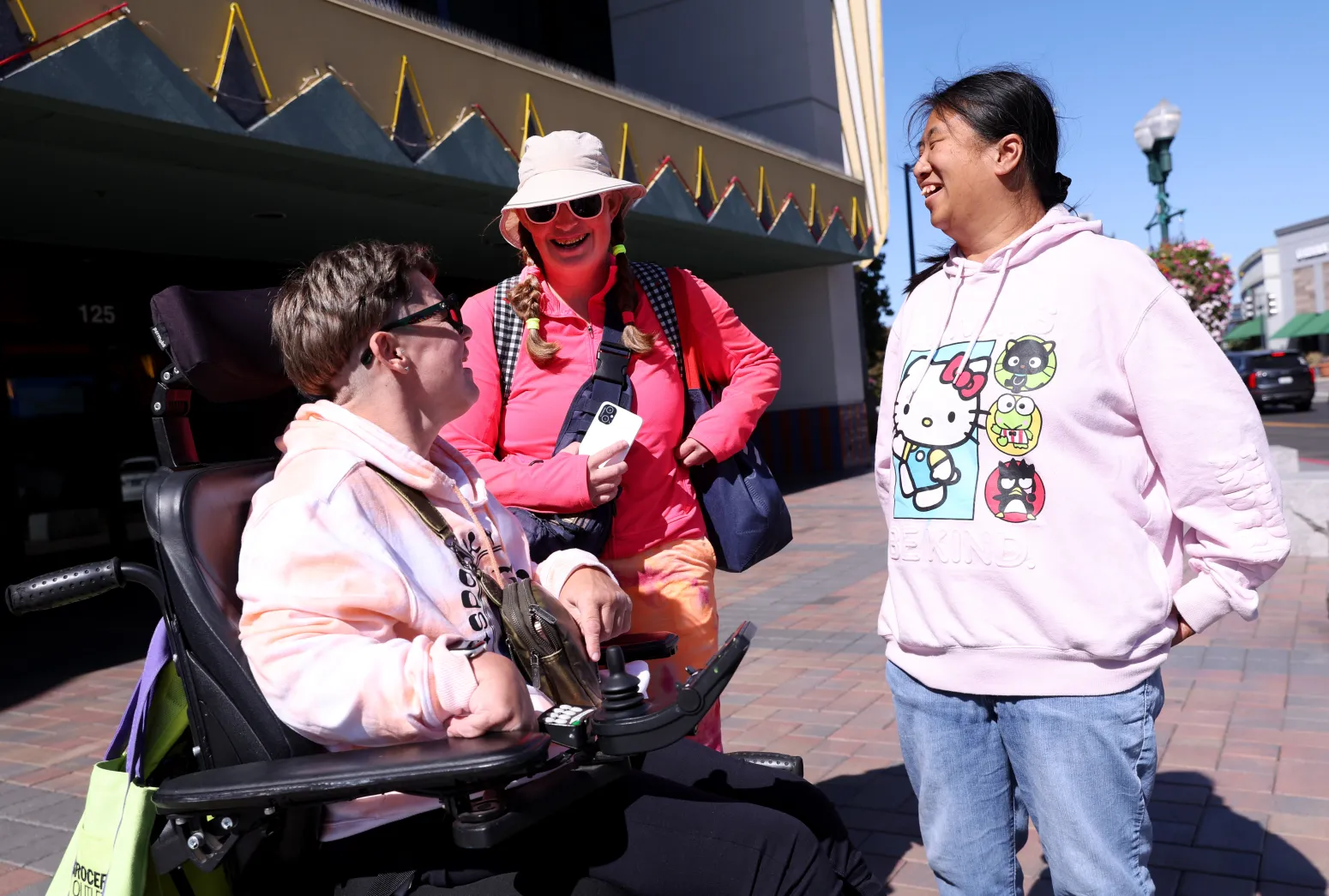

Three women meet at the Pittsburg/Bay Point BART station after taking shuttle services on a Wednesday morning. They load their Clipper cards, enter through an accessible gate, then take an elevator to the platform to board their train. They arrive in Antioch and head to the Dollar Tree where they meet with staff of Futures Explored to carpool to Slatten Ranch Shopping Center.
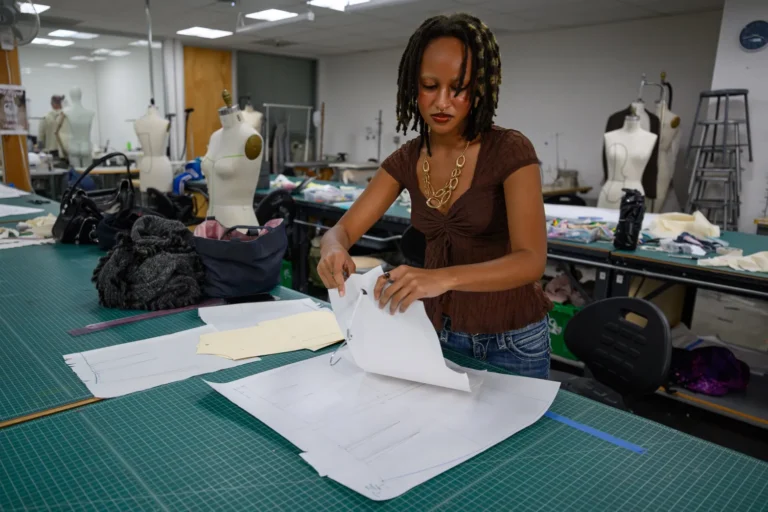
The women, Audrua Sysum, Becca Corbett and Anna Tchong, credit the East Bay nonprofit Futures Explored for the independence and confidence they’ve gained to get them to their destinations without always depending on family or friends for a ride. The nonprofit, founded in Lafayette in 1964, provides them, and others with intellectual and developmental disabilities, with employment, education, independent living, film and media training, and recreation opportunities.

They’ve learned travel skills through the nonprofit’s Community Connections program, which serves 169 people across three locations in Antioch, Concord and Pleasanton.
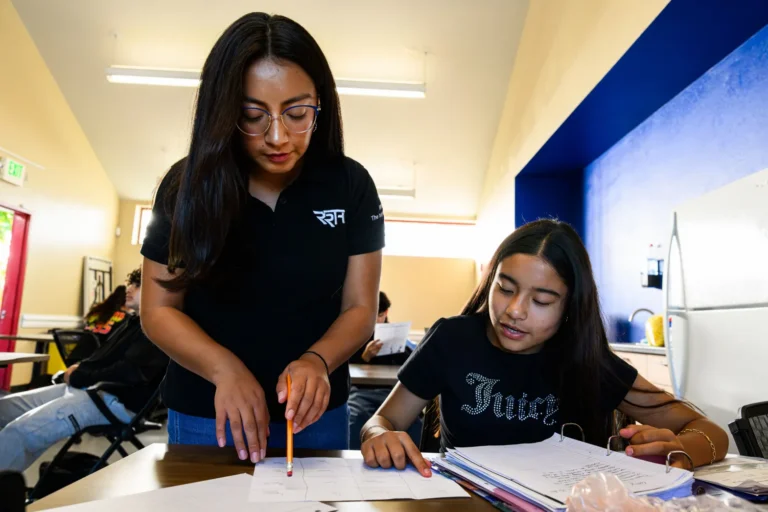
“We also teach community safety skills, including awareness of surroundings and personal boundaries when interacting with unfamiliar people, identifying safe people to ask for help, and knowing what to do if they become lost, separated or feel unsafe,” said Kelly Henderson-Lawrence, who heads the East County Connections programs. “Our goal is to help each participant travel as independently and confidently as possible, with the support they need.”
In the classroom, staffers give participants a bus schedule, explain routes, and review which bus they will take to the program, the fare cost, and how long the trip takes. Before a practice day, participants review the bus schedule and the route from the bus stop near their home to the program.
During training at a BART station, staff also teach participants to stay behind the yellow strip on the platform and board safely. When traveling with a large group, staff teach participants to let the train operator know which station they will be exiting at and request extra time so everyone can exit safely.
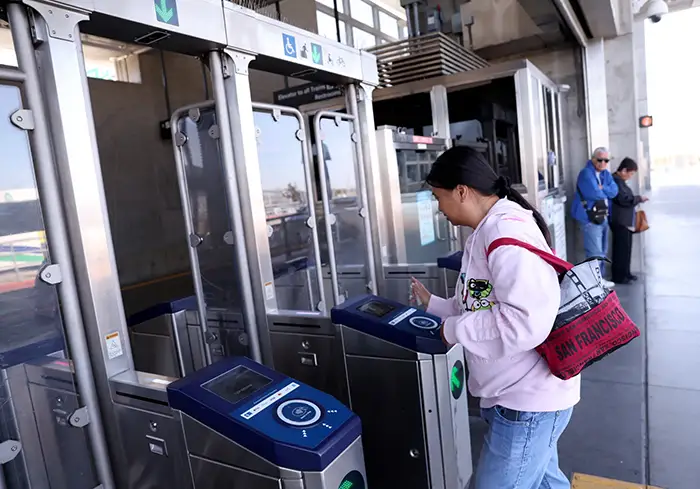
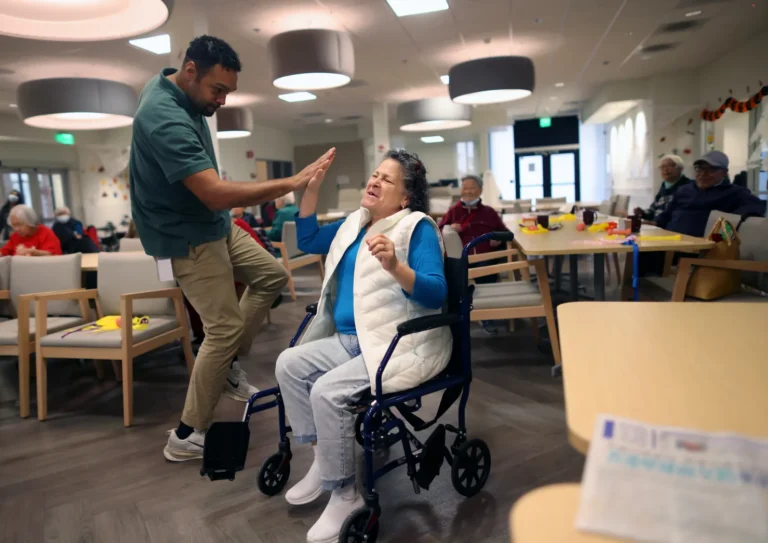
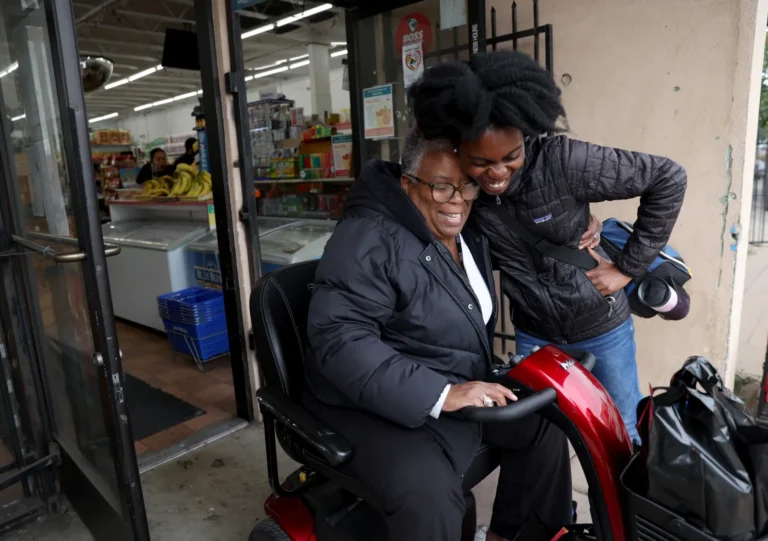
For participants using wheelchairs, staff provide guidance and assistance with crossing the gap between the platform and train to prevent wheels from getting caught. Staff advise participants who use wheelchairs to position themselves to face the elevator door in case the elevators break and they need to be carried out.
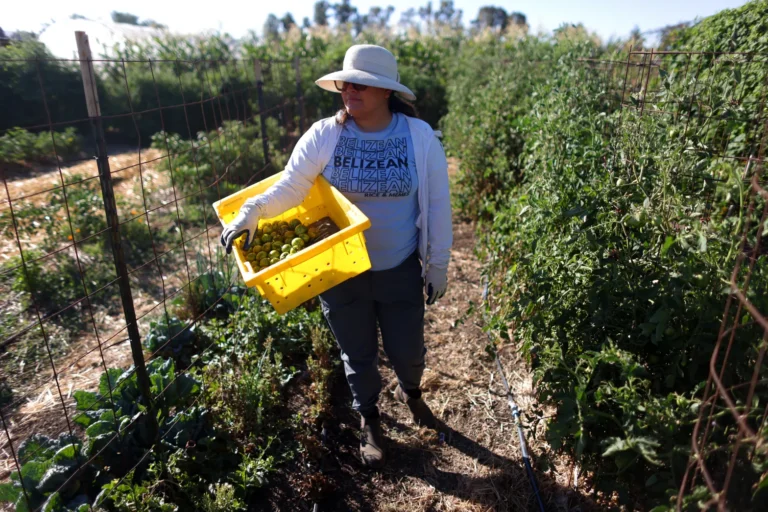
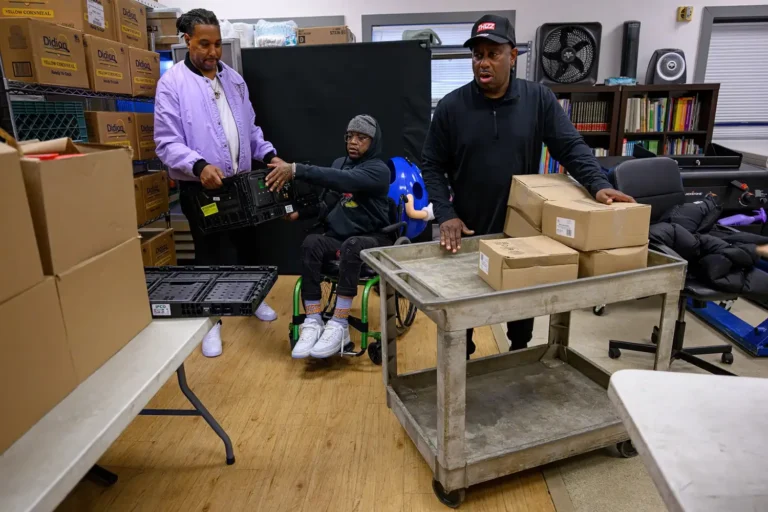
Outside of getting to Futures Explored educational programs, Sysum, Corbett and Tchong now use public transportation to visit the movie theater and bowling alley, play on roller derby teams and volunteer in the community.
“Sometimes you’ll have changes and things will come up and you’ll have to figure out, ‘What other options are there?’” said Corbett, who has attended Futures Explored programs since 2008.
Corbett also volunteers at the city of Brentwood’s Solid Waste Transfer Station where she remembers scraping gum out of trash bins and working in “crazy weather,” but enjoying it nonetheless.
“I blossomed so much through the program,” she said.
Sysum, who uses a wheelchair, said the program has given her the skills to make trips to the movie theater, mall and elsewhere, expanding her social circle.
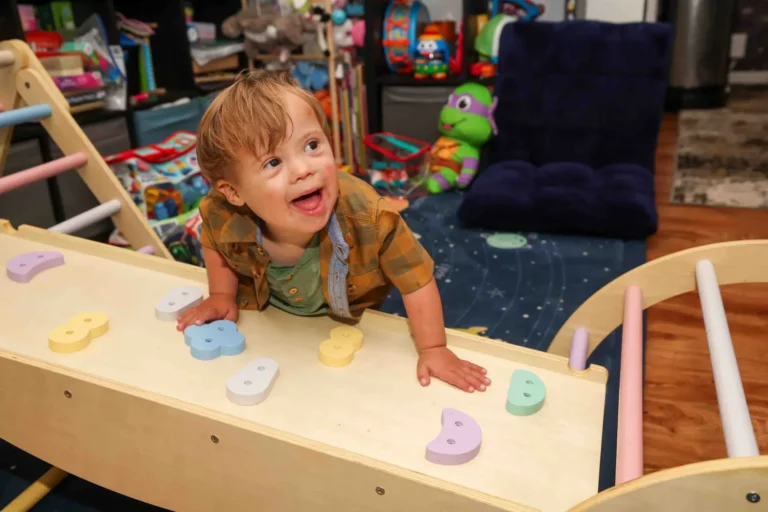
A group of parents and young adults, alongside founding director Helen Young, started Futures Explored when they saw a need for a support system for people with disabilities. It has grown since it started with “The Enterprise,” a small, mostly volunteer-run handcrafted goods program. Now, its services reach across the East Bay and north to Sacramento.
The nonprofit recently expanded its Go Group, which provides support for people to take part in employment and volunteerism, get to college campuses, and train to travel independently, manage money, learn to cook and take care of themselves. Earlier this year, Futures Explored opened a new, larger office in Pleasanton for the program.
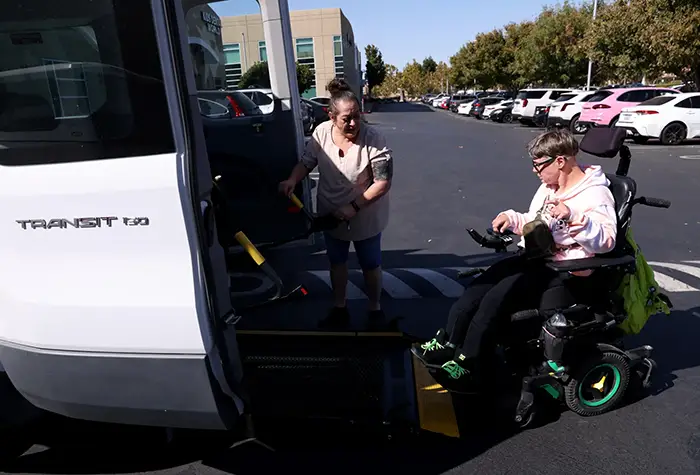
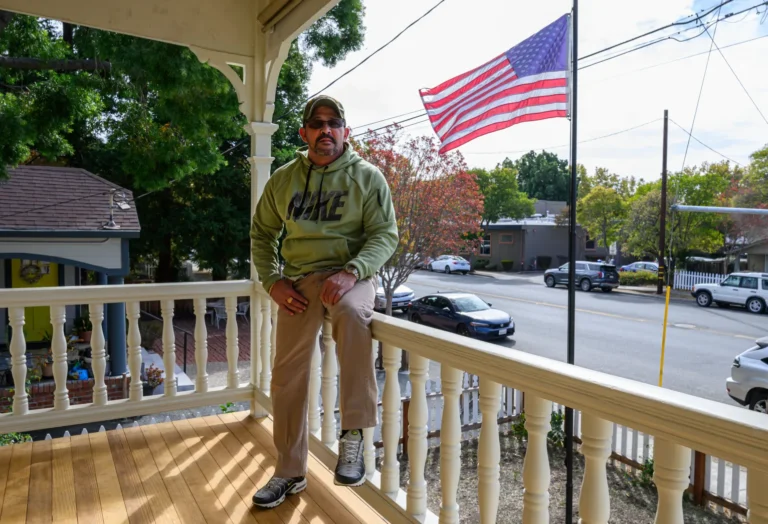
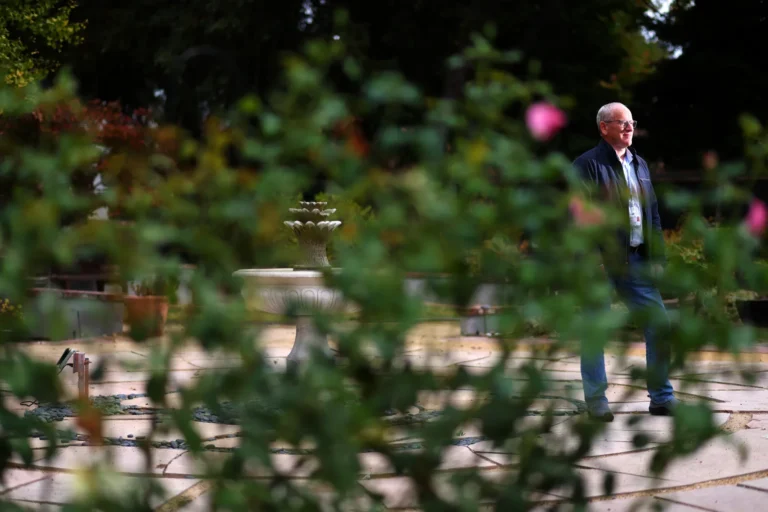
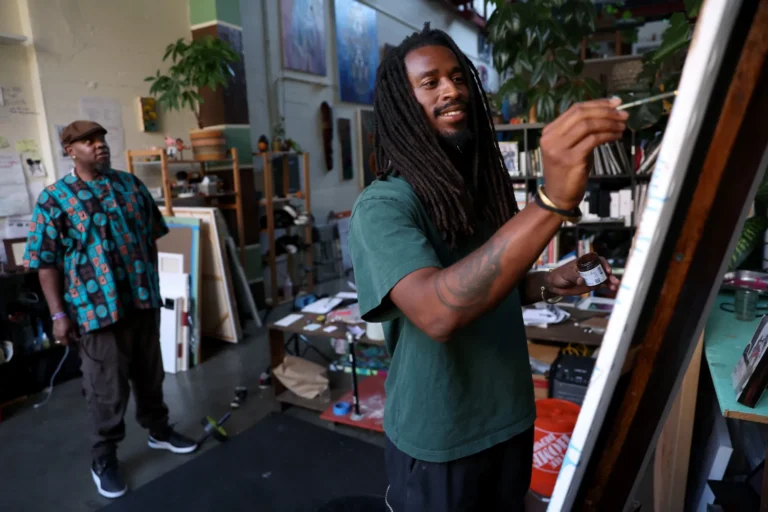
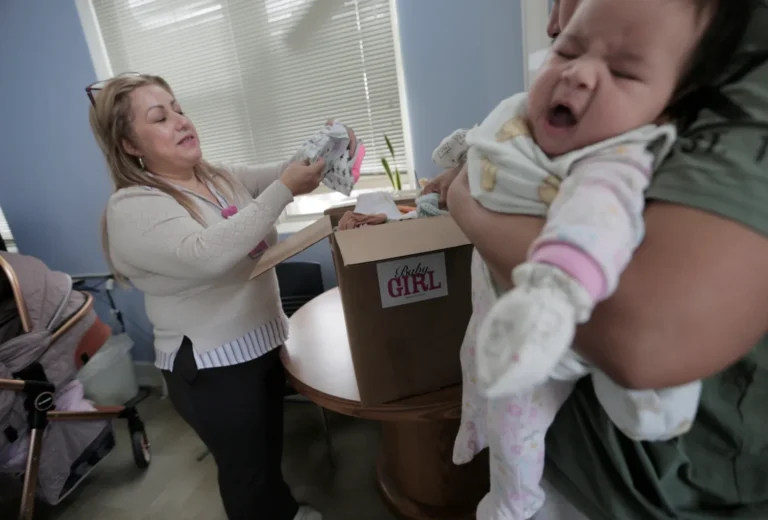
“On the surface, some people might think, ‘Oh, it’s just people going out and having a lot of fun in the community and hanging out,’” said Executive Director Erica Horn. But through the Connections program, participants have found jobs and made an impact in their communities by volunteering in hospice centers and food banks, and more, she said.
“They’re bringing resources and joy and support to others, and so it’s this beautiful ripple (effect),” Horn said. “We’re not providing services to passive recipients.”
Senior Program Director Angelique Goldberg said one of the most rewarding parts of her job is watching participants’ families and friends “start to recognize their abilities as opposed to their disabilities.”