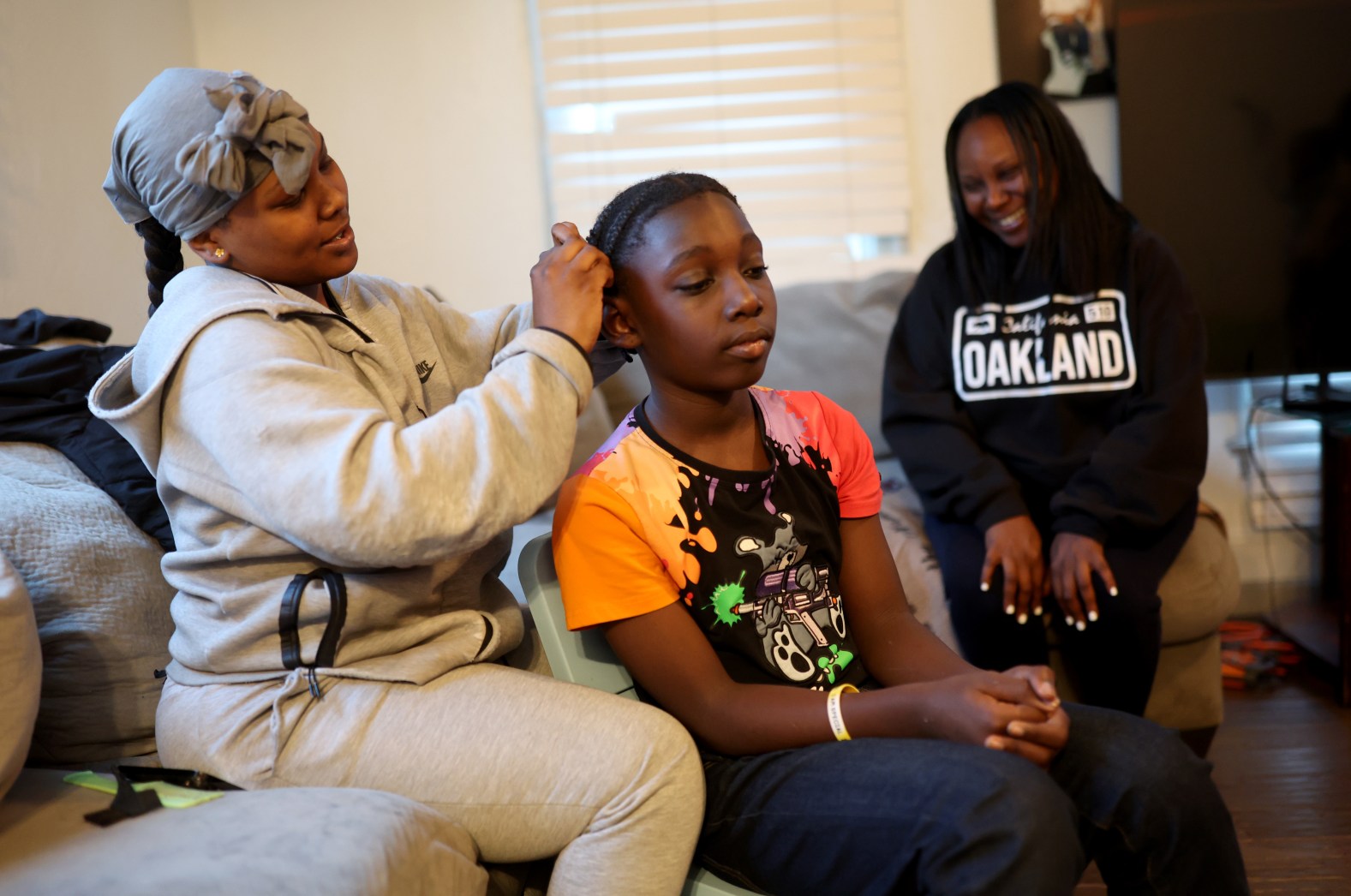

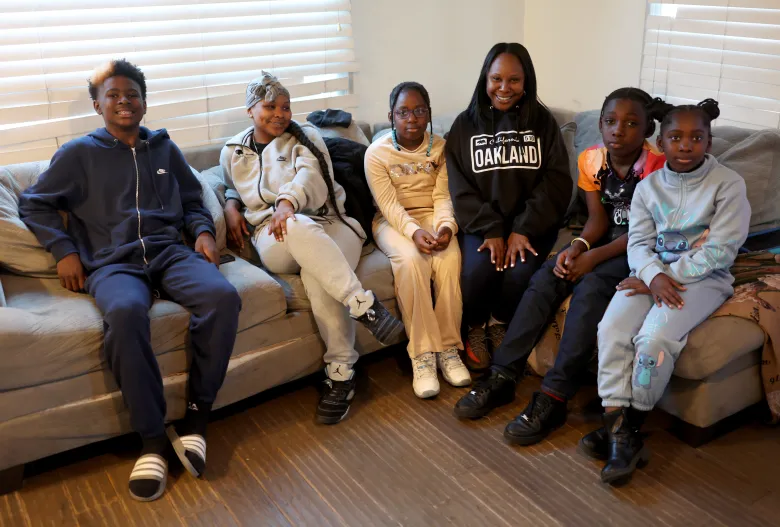
It had been a grueling 18 months in California’s foster system for three Bay Area children, but there was finally an end in sight: A cousin, Shannon Johnson, had stepped up and agreed to give them a permanent home.
But now Johnson, a church president and preschool administrator, had to navigate the legal system while taking care of her two biological children by herself. The first step was uprooting the family from Tracy and moving to Oakland, since her home in the Central Valley had an unfenced pool and wouldn’t meet the foster system’s standards.
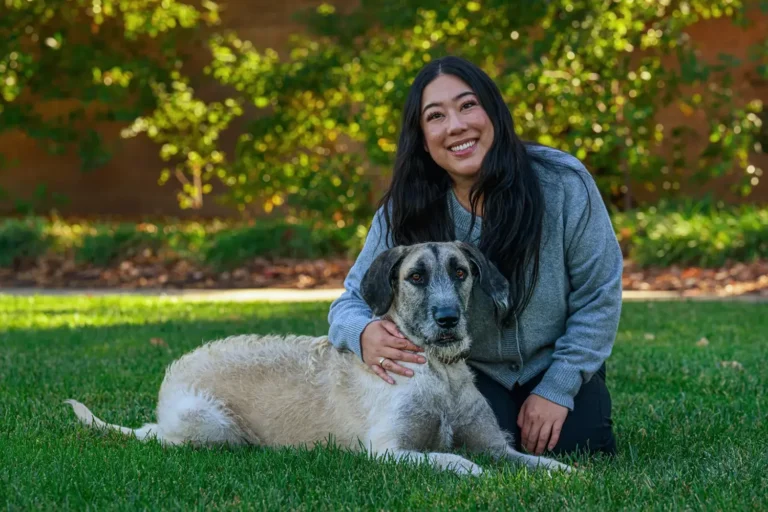
Johnson and her newfound family had one big advantage through the hardship — a lawyer representing them. In California, children who are separated from their parents or at risk of that happening are appointed an attorney to represent their needs in court and navigate the process for them. They were given Emily Zia, an attorney with East Bay Children’s Law Offices, an Oakland-based nonprofit whose staff often provides care that stretches outside the courtroom.
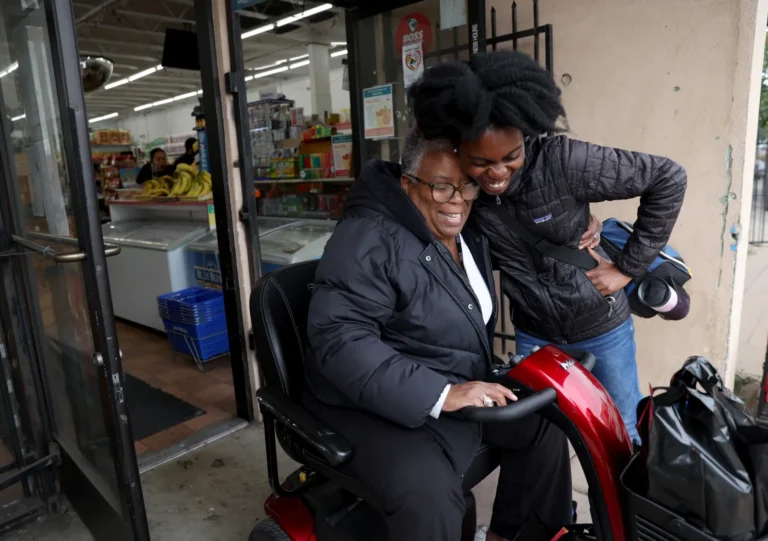
“Ms. Emily, she advocated for me when nobody else would understand. If it was a new therapist, something to do with the court, something with their new school, dealing with their mother. It was just like one phone call and Ms. Emily would come right away,” Johnson recalls, having been recently granted full custody of the three children. “It felt powerful. It felt like someone heard us. We were finally getting seen.”
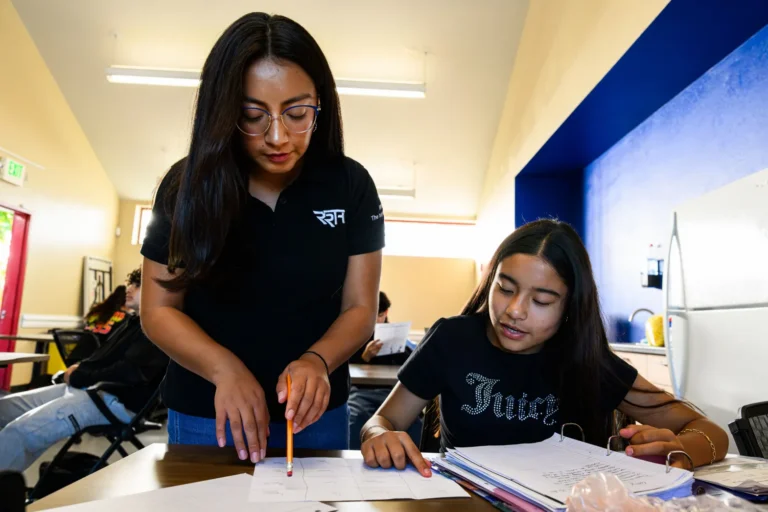
EBCLO attorneys are appointed to represent children at the hardest moments of their lives, often immediately after a traumatic incident, severe neglect, or a death in the family that has thrown their future into disarray. Lawyers like Zia take turns going to court several times a week — adding up to thousands of times per year — waiting for new children to enter the system. Sometimes they’re given less than a day to prepare for the first hearing.
“Usually we reach out to the kids by phone and then tell them we’re going to meet in person soon. I explain to them that everything they tell me is confidential and that, ‘You’re my boss,’ then run down all these important things from legal petitions to confirm if they’re true,” Zia said. “Like, ‘Did your mom hit you here and here? This is what the petition says; is that accurate? How do you feel about how you’re living right now? Is this foster home safe? Is there anything you need that you don’t have right now?’ ”
While it can start with trauma, the actual legal process can be less adversarial than other areas of the law, Zia says, as everyone tends to want what’s best for the children. The outcomes can be wildly different — some families are reunified, other times children are assisted through an adoption process. Sometimes the lawyers will stay with kids as they spend their entire childhoods in foster care, which ends on their 21st birthday.
But lawyers like Zia are there to represent the children, not anyone else. That means listening to what they want and advocating for it, with one exception that not every state provides: If an attorney feels the child wants something that would put their safety at risk, they’re allowed to deviate, but still must make the child’s wishes clear to the court.
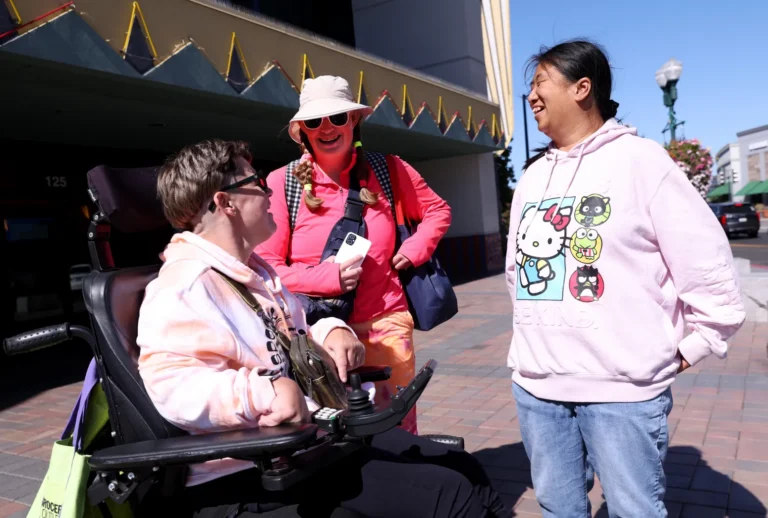
“Our motto is, children should be seen and heard. And we make that happen both inside the courtroom and out,” said Kristin Mateer, EBCLO’s executive director. “And we stay in touch with many youth after they are no longer clients …It’s a really special job, and we feel privileged to do it.”
Each year, the organization spends thousands of hours in court representing kids in Alameda County. Last year, EBCLO had 1,515 child clients. About 25% of their child welfare cases were closed, meaning the kids were reunited with parents — the most common outcome — or adopted, Mateer said. The year before, the group served 1,566 clients, with expenses that slightly exceeded its $3.76 million in revenue, according to EBCLO’s financial documents.
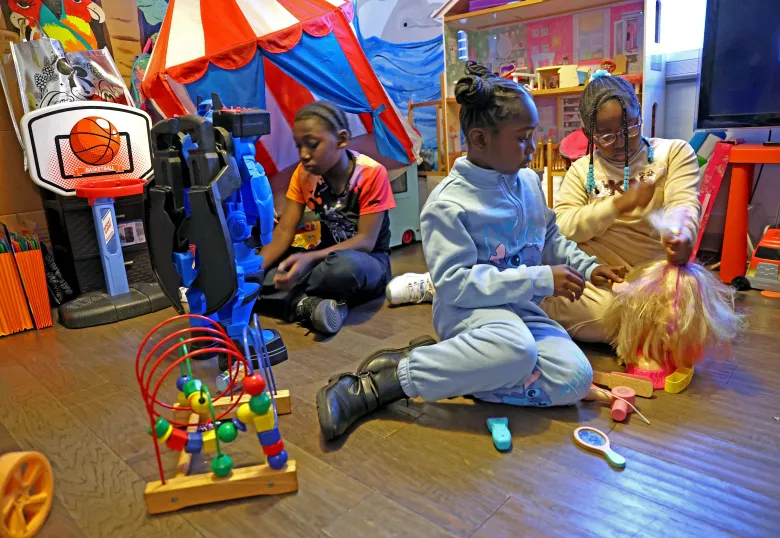
Zia remembers the five-year process that led her to Shannon Johnson. It started when the children were turned over to social services while living out of a motel.
“I still remember the first time I went to meet them in fall 2021. All three kids immediately climbed in my lap and gave me hugs. They just wanted me to stay and hang out and it was really hard,” Zia said. “We build these relationships with them in the hopes that someday they will never need us again.”
When a family member contacted Johnson 18 months later, hoping she would provide a home for the children, Johnson said she didn’t even know they needed help. She moved her family to Oakland and began working to find schooling and therapy for the kids, who are now active in her church.
“Ever since Ms. Johnson took the kids, it’s been like night and day. I’m not even sure how to describe it; she has been an incredible advocate,” Zia said.
But if delving into the world of child abuse and neglect seems like it would be depressing, Zia said it also brings moments of inspiration and hope.
“It’s so impressive to see parents go through that change and better themselves for their kids,” Zia said. “Most of the time, kids want to go back to their parents, so whenever we can make that happen, it always reinforces my faith in humanity to see people change and to see that change is possible.”