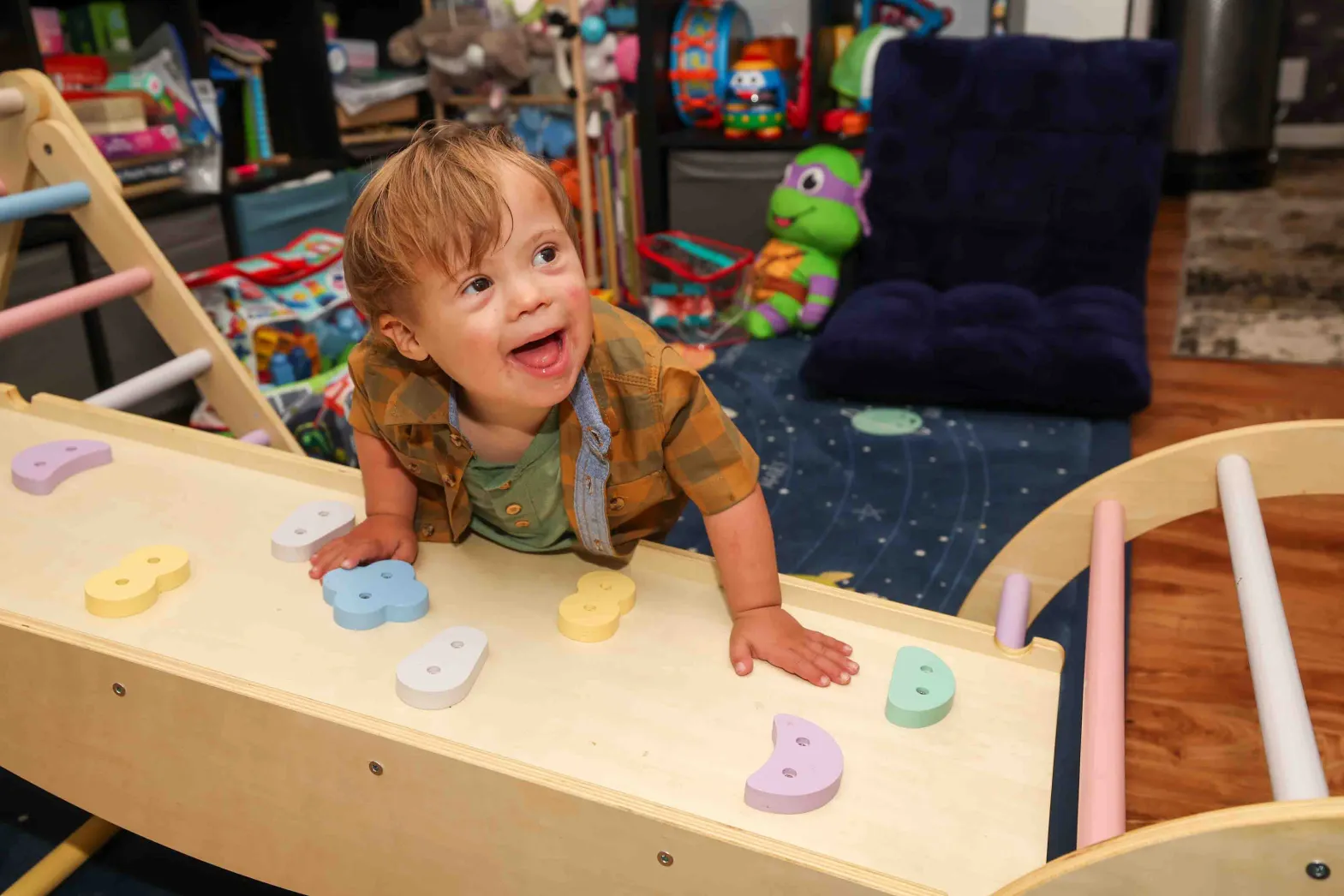

When the call connected, the first thing the genetic counselor said to Alise Warford was, “I’m so sorry.” Warford, who was 12 weeks pregnant, had asked for genetic testing in hopes of learning the sex of her baby. Instead, the counselor started the call with the news that Warford’s baby would have Down syndrome, with heavy emphasis on the danger of health complications and stillbirth. “It really set the tone negatively and scared us,” Warford says.
When subsequent medical appointments similarly focused on the risks and difficulties of the condition, Warford and her husband sought more context. The Brentwood couple found it at the Down Syndrome Connection of the Bay Area (DSCBA).
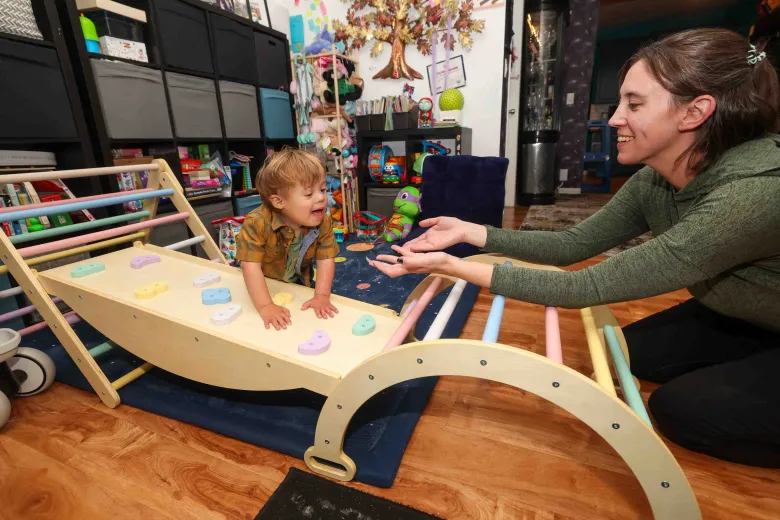
Michelle Slape, then DSCBA family liaison and now its executive director, immediately made herself available to talk to Warford and her family, meeting them at a nearby ice cream shop. “That was the first time someone said ‘Congratulations’ about our baby,” Warford says. “Finally, someone who knew about Down syndrome, had a child with Down syndrome, could give us information. It was everything we didn’t know we needed on our journey to start us off.”
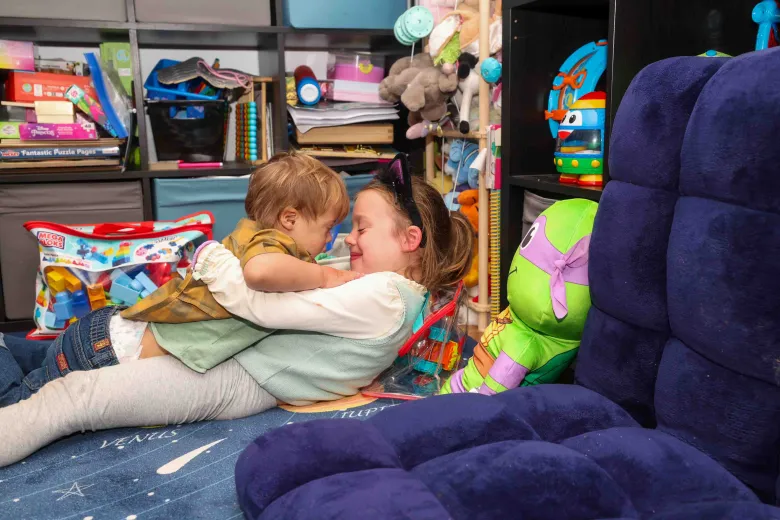
Not far away in Alameda, Amanda Durk Frye had a similar experience with her son’s prenatal Down syndrome diagnosis. “It was incredibly overwhelming and terrifying,” Durk Frye remembers. She and her husband found DSCBA during the period of intense research and soul-searching that followed; within weeks, they were invited to a baby play date with multiple local families whose children had Down syndrome. Like Slape’s ice cream meetup with Warford, the playdate was only the beginning of the essential community and support the organization still provides for both families—and for others like them throughout Northern California.
DSCBA began in 1998 as a small group of parents and local service providers looking for better ways to navigate the challenges that come with Down Syndrome. By 1999, the group had formalized and opened an office in Danville. It now serves 450 children, their families, loved ones, and medical providers—some 2,650 individuals—across all nine Bay Area counties and with members as far away as Modesto and Redding.
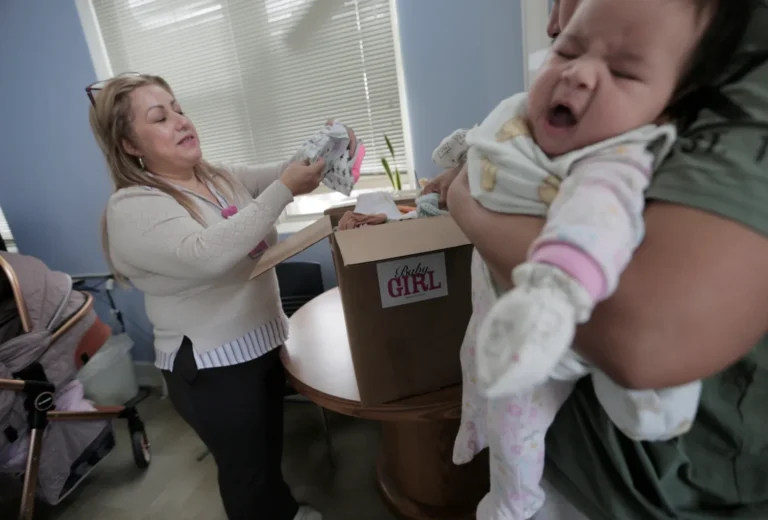
“We’re here for families at every stage of their journey,” Slape says. In addition to fielding calls such as Durk Frye’s and Warford’s facing pre- or postnatal diagnosis, DSCBA provides welcome baskets to families with new babies. Then, as the babies grow, they can attend music therapy classes; age-based connection groups; and developmental programs that build social, motor, speech and language, literacy and communication skills.
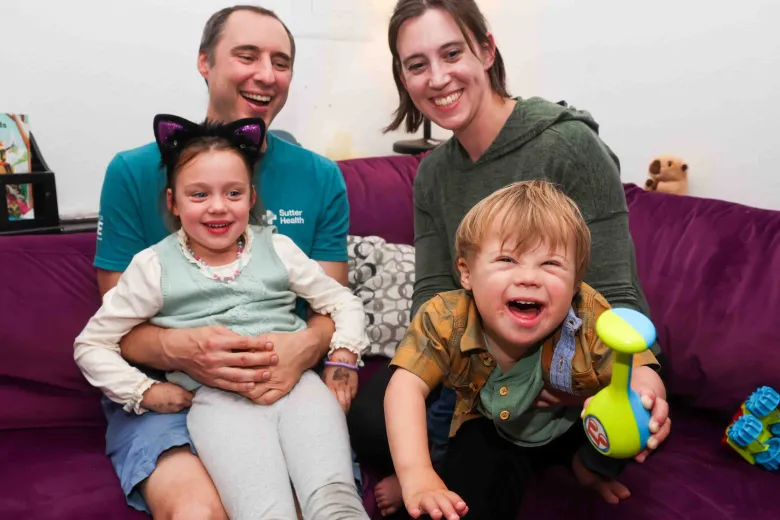
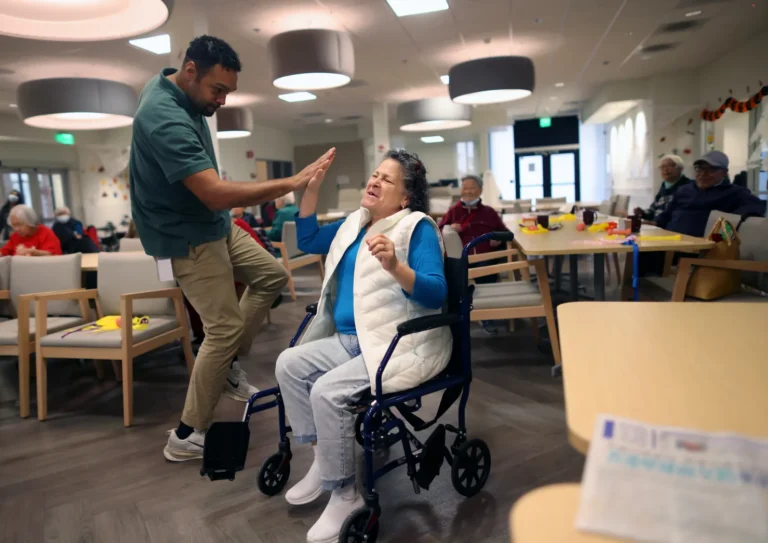
DSCBA also organizes peer support groups for parents and grandparents of kids with Down syndrome and later provides support with the transition to adulthood. And the organization provides informational materials and hosts trainings for doctors, genetic counselors and other health care workers on best practices for treating and supporting patients with Down syndrome. “We want to educate families and the communities they live in,” Slape says.
It’s work that makes a real difference in the lives of caregivers who might otherwise have felt overwhelmed and isolated. After five appointments where doctors assumed Warford and her husband would want to terminate the pregnancy, the welcome basket that DSCBA gave the family when her son, Wesson, was born felt like a genuine celebration, accepting him just the way he was. Soon after, the organization also connected Warford to two other families living nearby whose infants have Down syndrome, providing her with peers who know what she’s going through. Her mother also joined the grandparent support group. “It helped her learn more and gave her tools and community,” Warford says.
Meanwhile, Durk Frye’s son, Tetty, loves music therapy classes, and the family recently attended a DSCBA trip to Great Wolf Lodge. Both mothers appreciate that the organization seeks not just to support children with Down syndrome but also their extended network of loved ones. Durk Frye hopes that the trip will provide valuable exposure to more people with Down syndrome for her daughter, “normalizing their appearance, how they might act a little different than her friends.”
Beyond connection and community, DSCBA events also empower Warford, Durk Frye, and their families with essential information. While sometimes that’s through explicit education, it’s just as often via glimpses of the challenges and rewards that lie ahead for them. “It’s amazing to be able to see families with kids who are older than Tetty,” Durk Frye says. “They have not just given us help right now but also the ability to see into the future of what our lives could look like.”