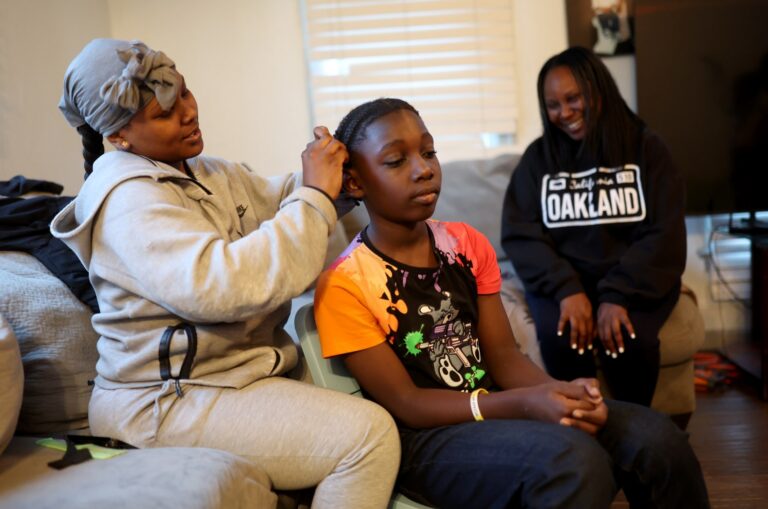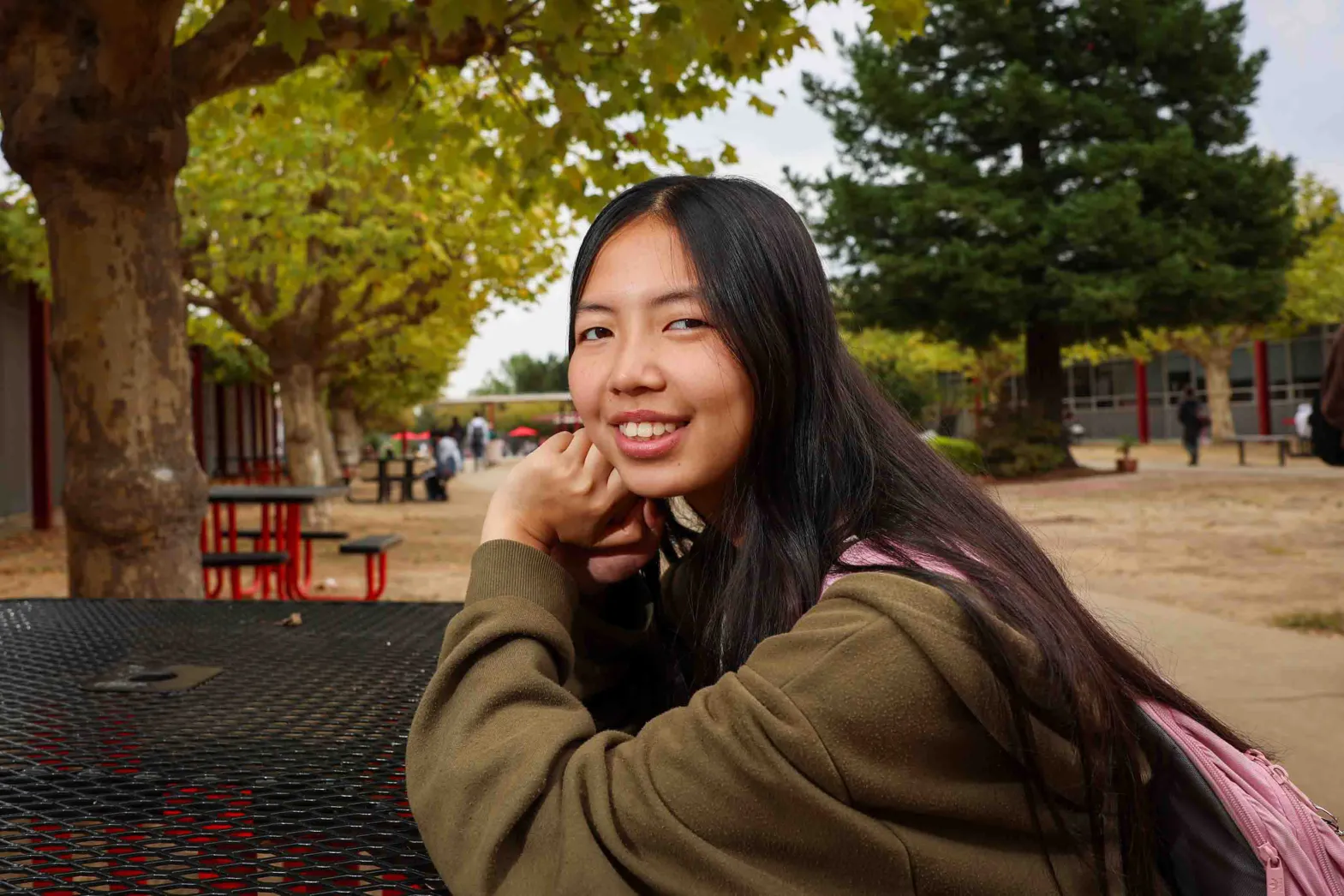

Kelli Thatch was 10 years old, and it was so difficult to see that the most comfortable place for her was inside her home, a place she knew by heart. A degenerative condition in her optic nerve gradually made her world go dark. She figured her life wouldn’t move far from where it was.
Then she went to a camp for low-vision and blind youth hosted by the Bay Area Outreach and Recreation Program. At BORP, she made friends, developed confidence and independence, and in “not really that long a time at all” learned to navigate public transportation. Rock climbing, cycling, kayaking and riding roller coasters came next.
Now, she’s a 17-year-old senior at Skyline High School in Oakland. Next fall, she plans to become the first person in her family to attend college. She hopes to attend UC Berkeley.
That BORP camp she attended? Life-changing is putting it mildly.
“It’s really hard to put into words all they’ve done for me,” Thatch said of BORP. “It opened up a world that up until then, I didn’t think I fit into.”
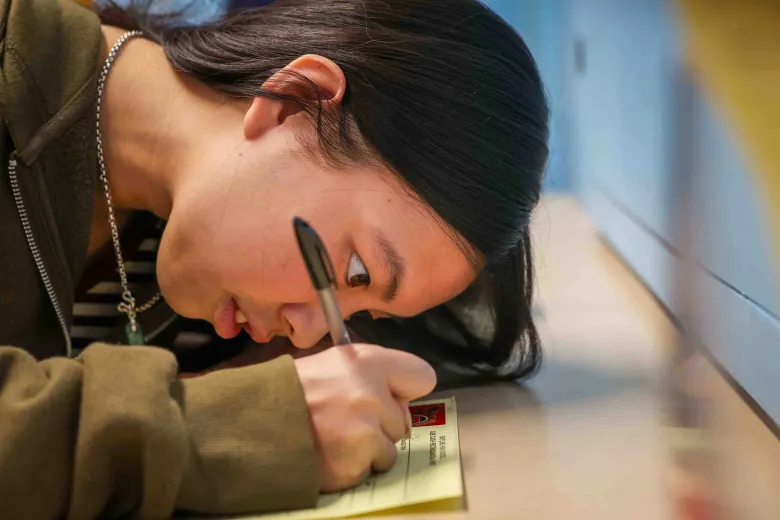
The Berkeley-based nonprofit organization states that its mission is to use sports, fitness and recreational programs to empower youth and adults with mobility and vision disabilities to build independence, community and a sense of belonging.
The organization celebrated its 50th anniversary in 2026. This holiday season, BORP hopes to raise $12,500 through the East Bay Times’ annual Share the Spirit grant campaign, which provides relief, hope and opportunities for East Bay residents by helping to raise money for nonprofit programs in Alameda and Contra Costa counties. The funding would support one full year of outings for BORP’s approximately 30 blind and visually impaired youth ages 12-18.
“What we’re really trying to create more than anything is that sense of self-confidence,” said Emily Seelenfreund, a staff member at BORP who played wheelchair basketball at the University of Alabama. “Everybody needs it. It opens up doors and allows you to carve a path for yourself. For people with disabilities, it’s very hard to find that.”
Thatch not only found it — she paid it forward too. Seelenfreund said Thatch has become a leader among her peers and a role model for the younger kids in the program.
Sarah-Dawn Smith, BORP’s program manager and transportation director, said Thatch’s relentless independence is consistently inspiring.
“Here’s a person with significant barriers and challenges who has had to navigate her way through a regular school system, and while going through that system, she’s kept her grades high and stayed in extracurricular activities,” Smith said. “It’s given her the confidence she can do things independently, and that confidence lifts up everybody else around her.”
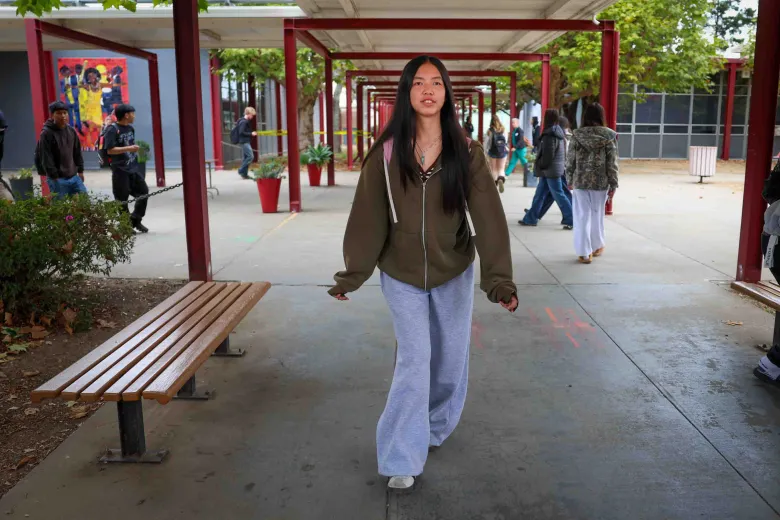
Thatch’s story is far from BORP’s only testimonial. An organizational survey showed that 96% of BORP participants reported an improvement in their self-confidence and self-esteem, 83% reported a better sense of well-being, and 80% reported improved mental health.
“One of the most important things it does is it teaches that person how to allow their body to move at its most optimal for its ability,” Alycia Anderson, , said while giving wheelchair tennis lessons to a group of about a half-dozen people with her husband, Marty Anderson. The two were at BORP’s recent annual Adaptive Sports Expo in Berkeley, an event held at three locations that attracts prospective BORP participants.
“When people decide that they’re ready to join, I tell them, ‘Get ready for your life to change,’ ” Alycia Anderson said. “You’re going to find friendship. You’re going to find community. You’re going to find your best self.”
It’s been happening a long time. In 1976, UC Berkeley student Susan Sygall tried to take a swimming class. The university denied her attempt because Sygall was in a wheelchair. Sygall subsequently sought funding to build a more inclusive program and founded BORP. It remains the region’s main provider of adaptive sports and recreational programs.
“I really don’t know,” Thatch said when asked where she thought her life might be without BORP. “You could say they saved my life, and you wouldn’t be wrong.”