On a gray morning in Oakland’s Fruitvale neighborhood, dozens of coat-bundled seniors make their way up the ramp behind a local food bank. Inside, some reach for ripe bunches of bananas and others fill large canvas totes with bright red apples. For many of these seniors, this ritual is a nutritional lifeline.
Founded in 1982 by residents at the Mercy Retirement and Care Center, the Mercy Brown Bag Program is a nonprofit that distributes groceries to over 10,000 East Bay seniors every month.
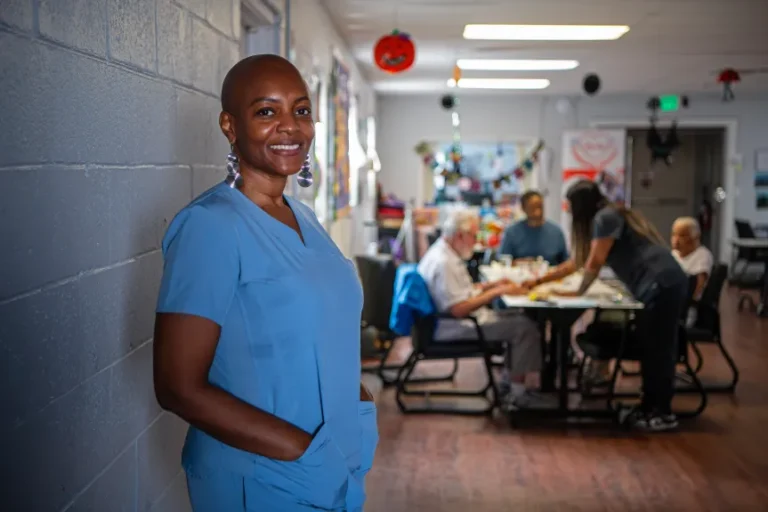
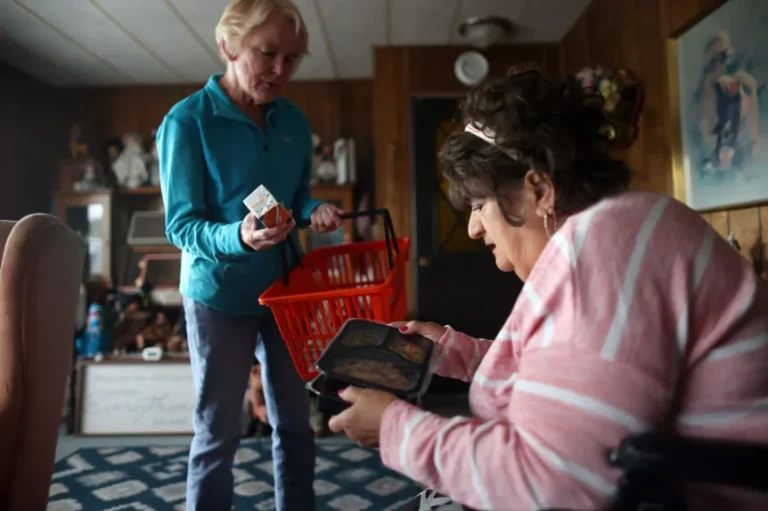
Mary Roberts, a retired lawyer who volunteers each week at one of Mercy Brown Bag’s free grocery stores, shared that the interactions she has with recipients is one of her favorite parts of the job.
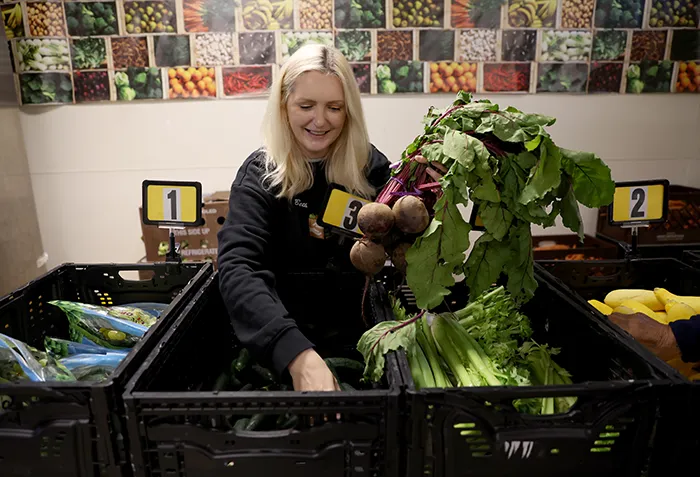
The program provides all or most of the groceries for 85% of their clients, said Roberts.
“This is the great honor of my life, to lead this program,” said Roberts.
California’s older adults, a group characterized as age 65 and older, experience some of the highest rates of poverty among all age groups in the state, at 21%, according to a September report from the California Budget and Policy Center. Mercy Brown Bag relies on a mix of funding sources, including Alameda County, which provides 67% of its budget, along with support from corporations, foundations, and individual donors.
As part of the Share the Spirit campaign, the Mercy Brown Bag Program is seeking a $25,000 grant to keep food flowing to East Bay seniors living on the brink. The funds would go toward groceries for older adults, many surviving on less than $850 a month. Program staff say that by covering the cost of food, they help seniors stay housed and healthy even as federal aid wanes. The grant would fund a full month of groceries for the 2,200 seniors served each month at the program’s Fruitvale site.
The program runs on a “seniors helping seniors” model. Each week, more than 500 volunteers — 95% of them retirees aged 65 and older — sort, pack, and distribute bags of groceries to their peers in need across 82 sites, including affordable senior housing complexes, community and senior centers, and assisted-living facilities.
“The people here are so sweet,” she said.
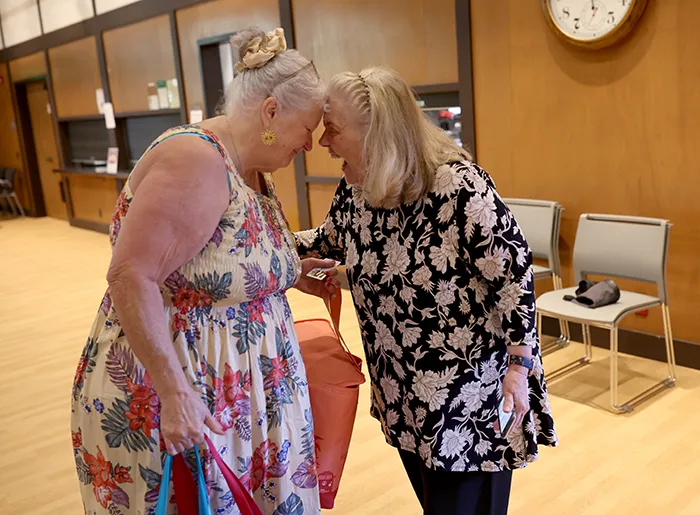
About half an hour before the seniors file into the CommonSpirit Health Grocery Store, Roberts makes her rounds, carefully inspecting each bag of challah loaves, honey cakes, everything bagels, and poppy seed muffins for traces of mold. She began volunteering in 2020, shortly after moving her mother into the Mercy Retirement and Care Center following a femur fracture. One afternoon, she noticed the center’s Mercy Brown Bag food distribution trucks parked out front.
“My parents taught me if you see a need, to do what’s in your power to fix it,” Roberts said. “It was instilled in me to help those with less.”
A self-proclaimed lifelong volunteer, Roberts takes her parents’ messaging seriously. There are hard moments, like telling a participant they can take only one bottle of vegetable oil or enforcing other limits that feel more like policing than helping. But she always reminds herself why she’s there. Her efforts help thousands of seniors each month put a home-cooked meal on the table.
“I’ll keep doing this until I can’t anymore,” she said.
At another Mercy Brown Bag site inside the Hayward Area Senior Center, recipient Roberta Crawford moves slowly down the line of folding tables, filling her reusable grocery bag with eggs, bananas, garbanzo beans, rice, and an oat-milk-based French dessert. It’s enough to tide her over until the program returns in two weeks.
“When you eat better, you feel better,” the 67-year-old Crawford said, beaming.
Just over a year ago, Crawford was struggling to provide for herself and her two daughters. That meant bare-bones, often prepackaged meals that Crawford said were as lacking in nutrition as they were in taste.
“It’s really hard to eat clean when your options are a PB&J and canned soup,” she said.
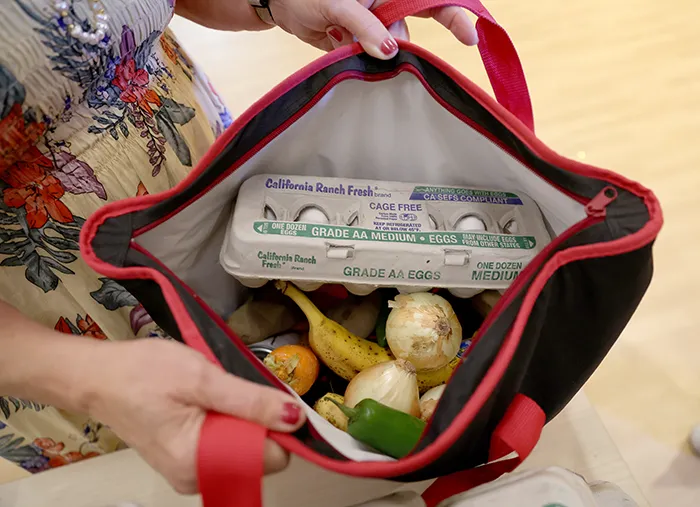
When Crawford first discovered the Mercy Brown Bag Program in July 2024, she was greeted by rows of bright produce: baskets of apples, leafy greens, and plump tomatoes stacked beside cartons of eggs and grains. After months of stretching her budget on shelf-stable groceries, it felt like striking gold, she said.
According to the program’s September 2025 Impact Breakfast slideshow, fresh produce accounts for 57% of all distributed goods, followed by protein at 19% and grains at 8%. Canned foods make up just 6.5%, a deliberate choice, Roberts, the program leader, said, to ensure older adults have access to nutritious ingredients that help them stay healthy.
With her kitchen brimming again, the Crawford family can once again enjoy the kind of meals for which they used to gather around the table. A love of Southern cooking runs deep in their home — Crawford is happiest at the stove, whipping up mashed potatoes and warm, buttery biscuits from scratch.
One afternoon, Crawford noticed a crate of turnip greens sitting untouched at the end of the food line: a southern staple, but less familiar to many Bay Area cooks. She packed the greens into her bag and brought them home, where her daughter later turned them into a tasty dinner.
After a fruitful morning of shopping, Crawford turned toward a group of Mercy Brown Bag volunteers who had helped her gather her groceries. Tears welled in her eyes as she prepared to leave, and she shared a message she said had been on her heart for a long time.
“I hope you guys know the difference you make,” she said. “It really means a lot.”