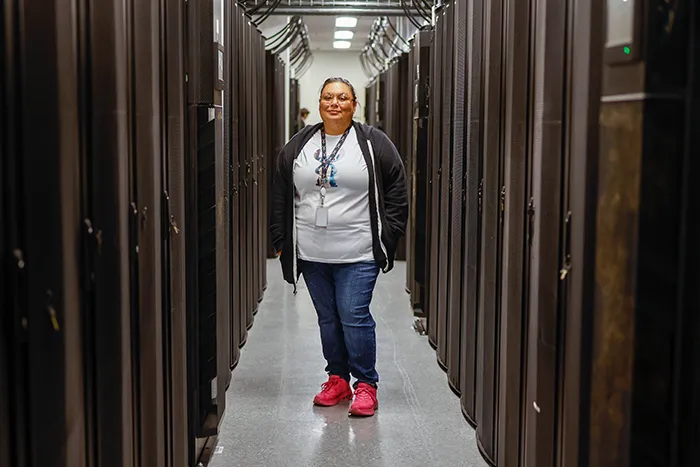

What makes Martina Lozano a survivor?
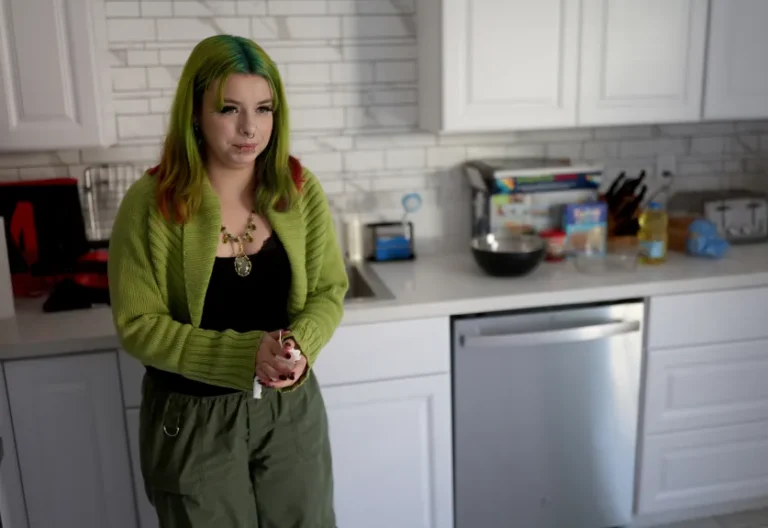
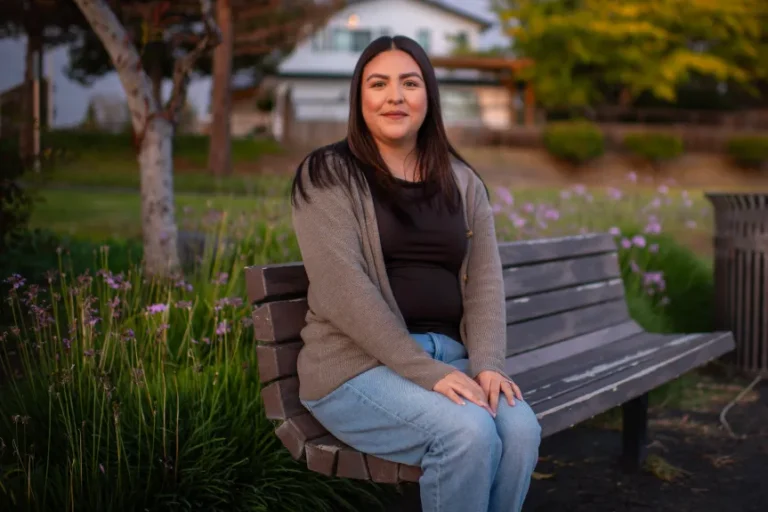
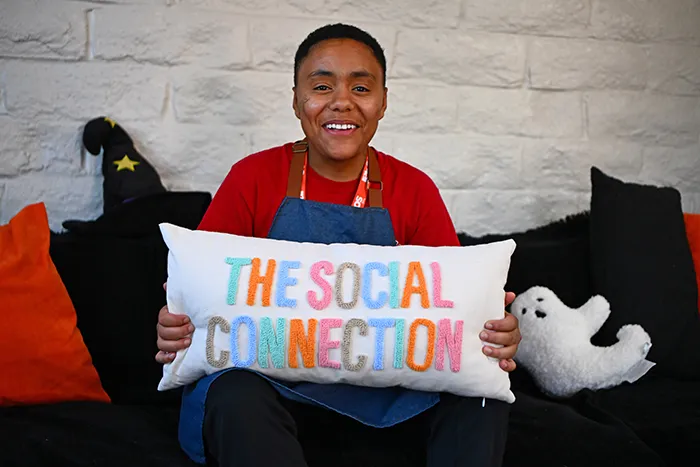
The 33-year-old graduate of the Bay Area Rescue Mission’s holistic, year-long recovery program asks that herself sometimes. A Native American, Lozano describes growing up in a loving but “dysfunctional” family In Oakland and Antioch. She was sexually assaulted as a child and began running away at age 11, landing in a dangerous mire of gangs, juvenile crime, abusive boyfriends and sex work. After giving birth to the first of her four children at age 15, she became addicted to drugs, lived at times in her truck and lost custody of her children.
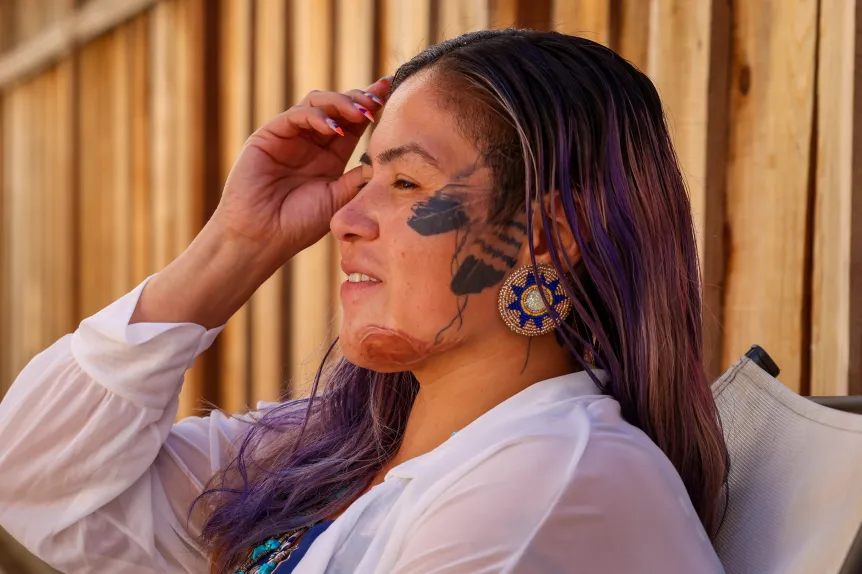
Her life only got worse after her first boyfriend, a parolee and the father of three of her children, was murdered in Oakland in 2022. Several months later, another boyfriend shot her in the face with a flare gun, with the flare barely missing her carotid artery.
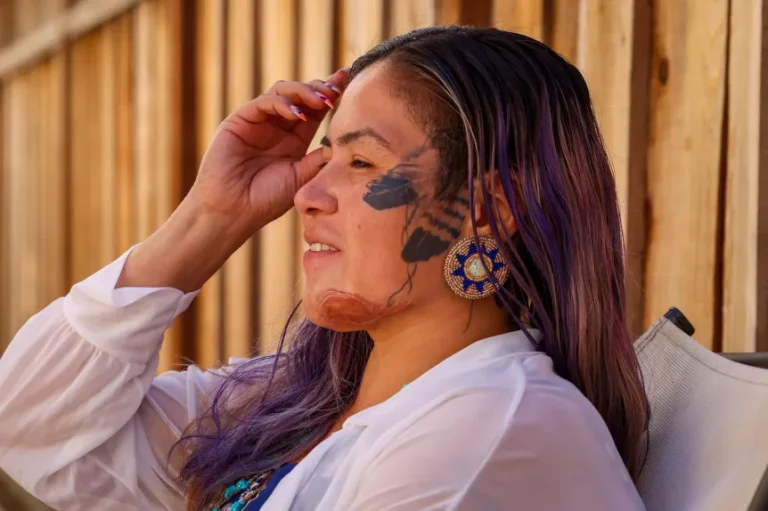
That February 2023 shooting, which left a permanent burn scar on her left cheek, could be said to be Lozano’s rock bottom. Three months later, she decided she did not want to give up on life and signed on for whatever the Bay Area Rescue Mission could teach her. The venerable Richmond nonprofit has been helping people like Lozano recover from homelessness, due to addiction, domestic violence or poverty, since 1965.

These days, Lozano can almost laugh with disbelief at how dark things got. “Something’s weird about when you live past an age that you think you’re not going to reach,” she said.” You’re like, huh? I guess I can keep you.”
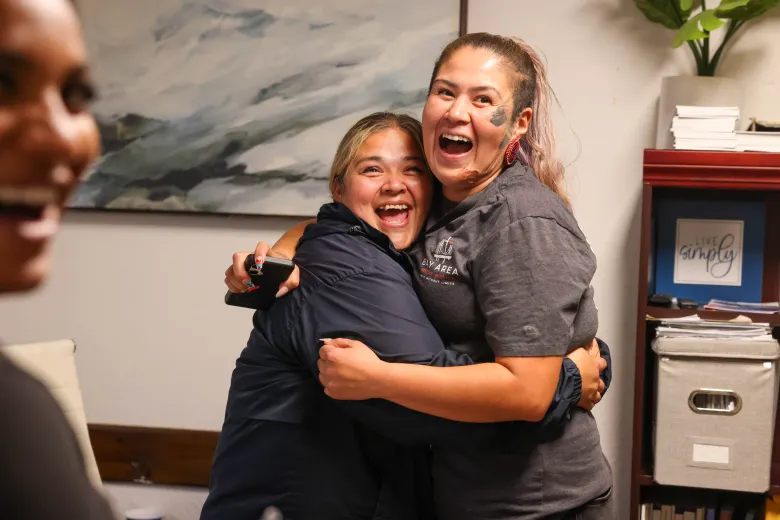
More than two years’ sober, Lozano has regained custody of her four children, who live with her at the rescue mission’s shelter for women and children, which housed 151 women and children in 2024. Lozano also works there as a residential assistant. As she goes about her job, she wears a smile, likes to hug people and exudes ease with the person she’s become.
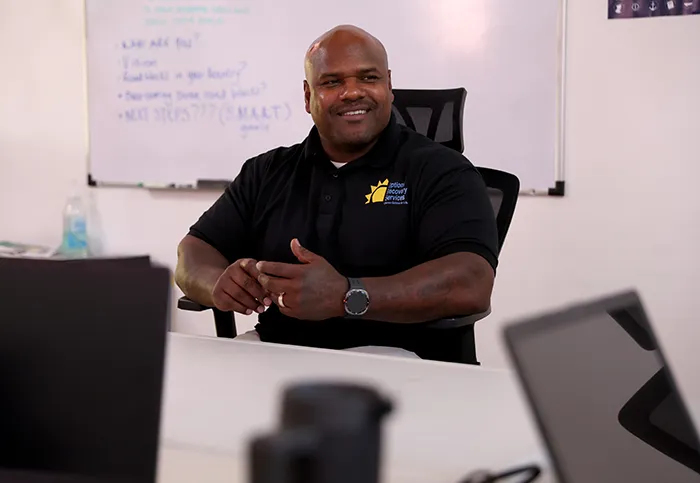
“There’s an inner joy that Martina radiates,” said Bram Begonia, the CEO of the rescue mission. “When she first got here, she barely smiled. Now, she can’t contain it.”
Lozano also takes classes at Contra Costa College, with the goal of transferring to UC Berkeley, to earn a degree in sociology and to perhaps, one day, start a program, modeled after the rescue mission, which serves the Native American community.
Lozano’s primary reason for craving recovery is that she wanted her kids back. They are James, 17, Ramiro, 12, Jasme, 7, and Clark, 6. “I promised my kids that I was going to be a better mom,” she said. In late October, she was preparing to move her family into their first real home in a long time, a three-bedroom apartment near Richmond’s city center.
Lozano contemplates her gift of resilience. “Maybe it’s good genes?” she laughed. Lozano is Navajo, Arapaho and Pomo, with relatives who include past leaders in the Bay Area Native American community. Her recovery has made her want to reconnect with the traditions and ceremonies that meant so much to her as a child, which included stints visiting relatives in Wyoming, near the Wind River Reservation. She has remained close to her family, through “my dysfunction and their dysfunction,” she said. “They’re cheering to me the best way they can.”
But finding her way to the rescue mission really changed everything. Lozano has lived in a group home and gone through multiple stints in detox and rehab but always relapsed. The initial appeal of the rescue mission is that her children could live with her once she proved to Child Protective Serves she could care for them. The rescue mission is believed to be the only program in the Bay Area that allows mothers to have all their children live with them as they recover from addiction and homelessness.
As a Native American, Lozano was first wary about the rescue mission’s Christian-based program. In addition to taking classes in addiction recovery, life skills and vocational training, participants must also learn about the Bible, though faith is never forced upon people, Begonia said. Some of Lozano’s relatives were understandably hostile to Christian institutions, given that Spanish Catholic missions and Christian-run boarding schools in the United States subjected Native Americans to violence and forced cultural assimilation.
But once in the program, Lozano found a relationship with God that has become essential to her, and Biblical passages have become especially meaningful, such Galatians 5:25. She said: “It made me really think, what is it to live in the spirit? It says if we’re saying we’re in God’s presence and we have the Holy Spirit, let us also walk in it.”
For Lozano, walking in the spirit means allowing God to guide her, especially when she’s tested by the challenges of rebuilding her relationship with her children. She admitted feeling guilt for all they’ve been through and knows that they, too, are trying to recover from years of loss and instability. “They’re doing well, they’re getting help and going to school,” she said.
The rescue mission provides case managers and a range of services for the children of mothers in its program. That includes on-site daycare and a pre-school for when the mothers are in class or doing vocational training. For a time, Lozano was in the culinary program. The rescue mission also helps enroll older children in local schools, transports them to doctors’ appointments and partners with groups that provide after-school tutoring and counseling to children dealing with trauma.
Lozano said this help for her family has come from rescue mission staff who likewise “walk in the spirit.” She said they encouraged her to open up about her daily struggles or the dark times in her past. “Then pretty soon you start talking about it, and you start to realize, they didn’t kick me out! They’re still meeting me with love,” she said.
“It’s kind of a cliche to say, but we serve people who have forgotten how to love themselves, who have burned every bridge,” Begonia said. “They really may be at a point, where they might ask is there any point to this.” Lozano’s harrowing life story also isn’t unusual, nor is her finding a desire for a better life. “She’s extraordinary, she’s not unique, we see this every day,” he said.